Hey there! I’m a supplier of valve actuators, and today I want to talk about whether a valve actuator can be used in HVAC systems. As someone who’s been in the valve actuator game for a while, I’ve seen firsthand how these nifty devices can make a real difference in HVAC setups. Valve Actuator

First off, let’s get a basic understanding of what a valve actuator is. In simple terms, a valve actuator is a device that opens and closes valves. It’s like the muscle behind the valve, making it move according to different signals. Now, when it comes to HVAC (Heating, Ventilation, and Air Conditioning) systems, these systems are all about controlling the flow of air and fluids to keep indoor environments comfortable. And that’s where valve actuators come in super handy.
One of the key aspects of HVAC systems is temperature control. You want to be able to adjust the temperature in different areas of a building easily. Valve actuators can play a crucial role here. For example, in a water – based HVAC system, the actuator can control the flow of hot or cold water through the pipes. If you need to heat up a room, the actuator can open the valve to let more hot water in. And when the room reaches the desired temperature, it can close the valve to stop the flow. This kind of precise control helps in maintaining a consistent and comfortable temperature.
Another important function in HVAC is air distribution. In larger buildings, there are multiple zones that need different levels of ventilation. Valve actuators can be used to control dampers in the air ducts. A damper is like a gate in the duct that regulates the amount of air flowing through. By using an actuator to open or close the damper, you can direct the right amount of air to each zone. This is especially useful in places like offices, hospitals, and shopping malls where different areas have different ventilation requirements.
Let’s talk about the types of valve actuators that are commonly used in HVAC systems. There are two main types: electric and pneumatic. Electric actuators are powered by electricity and are known for their precision and ease of control. They can be programmed to open and close at specific times or in response to certain temperature or pressure changes. Pneumatic actuators, on the other hand, use compressed air to operate. They’re often used in industrial settings where there’s already a supply of compressed air available. They’re generally more robust and can handle high – pressure applications.
Now, you might be wondering about the benefits of using valve actuators in HVAC systems. Well, one of the biggest advantages is energy efficiency. By precisely controlling the flow of air and water, you can avoid over – heating or over – cooling a space. This means you’re not wasting energy, which in turn can lead to significant cost savings. For example, if a room is already at the right temperature, the actuator can close the valve to prevent unnecessary energy consumption.
Another benefit is improved comfort. With accurate control over temperature and air distribution, occupants of a building will experience a more consistent and pleasant indoor environment. No more hot or cold spots! This is especially important in places like hotels and hospitals where the comfort of guests and patients is a top priority.
But like any technology, there are also some challenges when using valve actuators in HVAC systems. One of the main issues is maintenance. Over time, the actuator can wear out, and its components may need to be replaced. It’s important to have a regular maintenance schedule to ensure that the actuator is working properly. Also, in some cases, the actuator may malfunction due to electrical or mechanical problems. This can disrupt the operation of the HVAC system and lead to discomfort for the building’s occupants.
Installation is another aspect that needs careful consideration. Valve actuators need to be installed correctly to work effectively. If they’re not installed properly, they may not open or close the valves as intended, which can affect the overall performance of the HVAC system. It’s always a good idea to have a professional install the actuators to avoid any issues.
So, to answer the question "Can a valve actuator be used in HVAC systems?", the answer is a resounding yes! Valve actuators are essential components in modern HVAC systems, providing precise control over temperature, air distribution, and energy consumption. Whether you’re looking to upgrade an existing HVAC system or install a new one, valve actuators are a great addition.
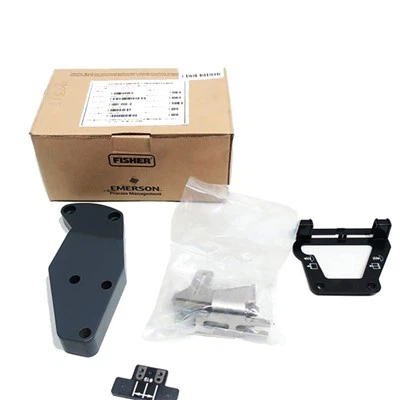
If you’re in the market for valve actuators for your HVAC system, I’d love to have a chat with you. I’ve got a wide range of high – quality valve actuators that are suitable for different HVAC applications. Whether you need an electric actuator for a small office or a pneumatic actuator for an industrial facility, I can help you find the right one. Don’t hesitate to reach out and let’s discuss your specific needs. We can work together to find the best solution for your HVAC system.
Fisher Valve Parts References:
- "HVAC Systems Design Handbook"
- "Valve Actuator Technology: Principles and Applications"
Century Weiye (Dalian) Control Equipment Co., Ltd.
As one of the leading valve actuator manufacturers and suppliers in China, we warmly welcome you to buy discount valve actuator in stock here from our factory. If you have any enquiry about quotation, please feel free to email us. Quality products and reasonable price are available.
Address: 2205, Building 8, Red Star International, Ganjingzi District, Dalian City, Liaoning Province
E-mail: serena@valvesjwy.com
WebSite: https://www.valve-sjwy.com/
