Facelifts and fat transfer are two popular cosmetic procedures that have gained significant traction in the field of aesthetic medicine. As a facelift supplier deeply entrenched in the industry, I’ve had numerous inquiries about the possibility of combining these two treatments. In this blog, I’ll delve into the science, benefits, potential risks, and practical considerations of combining a facelift with a fat transfer. Facelift
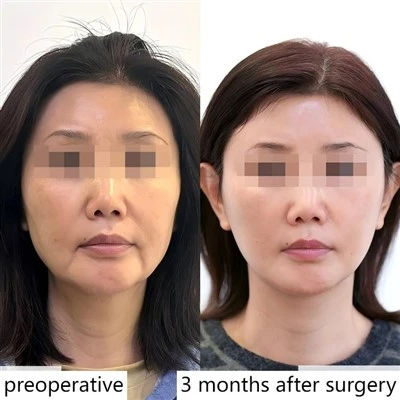
Understanding the Procedures
Before we discuss the combination of these two procedures, let’s first understand what each one entails.
A facelift, also known as rhytidectomy, is a surgical procedure designed to reduce the signs of aging in the face and neck. It involves tightening the underlying muscles and removing excess skin to create a more youthful and refreshed appearance. Facelifts can address a variety of concerns, including sagging skin, deep wrinkles, and jowls.
On the other hand, fat transfer, also called fat grafting or autologous fat transplantation, is a process where fat is harvested from one part of the body (usually the abdomen, thighs, or hips) using liposuction. The harvested fat is then purified and injected into specific areas of the face to add volume, correct contour irregularities, and improve skin texture.
The Science Behind Combining Facelift and Fat Transfer
The idea of combining a facelift with a fat transfer is based on the complementary nature of these two procedures. A facelift addresses the structural issues of the face, such as sagging skin and muscle laxity, by realigning and tightening the underlying tissues. However, it may not fully restore lost volume, which is a common manifestation of aging.
Fat transfer, on the other hand, can effectively replenish lost facial volume. As we age, the face loses fat in areas such as the cheeks, temples, and under the eyes, leading to a hollowed – out appearance. By injecting fat into these areas, we can restore fullness and a more youthful contour.
When these two procedures are combined, the facelift provides the structural foundation by tightening the skin and muscles, while the fat transfer enhances the overall aesthetic outcome by adding natural – looking volume. This synergy can result in a more comprehensive and long – lasting rejuvenation of the face.
Benefits of Combining Facelift and Fat Transfer
One of the most significant benefits of combining these two procedures is the natural – looking results. Fat is a biological substance that is native to the body, so when it is injected into the face, it integrates seamlessly with the surrounding tissues. This creates a smoother, more youthful appearance without the "pulled" or "artificial" look that can sometimes be associated with facelifts alone.
Another advantage is the long – term stability of the results. Unlike synthetic fillers, which are gradually absorbed by the body over time, the fat that survives the transfer process can provide permanent volume enhancement. This means that patients can enjoy the benefits of their treatment for years to come.
Combining the procedures can also be cost – effective in the long run. Instead of undergoing multiple individual treatments, patients can achieve their desired results in a single surgical session. This not only reduces the overall cost but also minimizes the downtime and recovery period associated with multiple procedures.
Potential Risks and Considerations
As with any surgical procedure, combining a facelift with a fat transfer carries some risks. General risks associated with surgery include infection, bleeding, adverse reactions to anesthesia, and scarring. Specific risks related to fat transfer include uneven fat distribution, over – or under – correction, and fat necrosis (the death of fat cells).
It is crucial for patients to have a thorough consultation with a qualified plastic surgeon before undergoing the combined procedure. During the consultation, the surgeon will assess the patient’s overall health, skin condition, and aesthetic goals to determine if they are a suitable candidate. The surgeon will also discuss the potential risks and complications in detail and provide realistic expectations about the outcome.
Another important consideration is the recovery period. Combining a facelift with a fat transfer typically requires a longer recovery time compared to either procedure alone. Patients can expect swelling, bruising, and discomfort for several weeks after surgery. They will need to follow the surgeon’s post – operative instructions carefully, which may include wearing compression garments, avoiding strenuous activities, and taking prescribed medications.
Practical Considerations for Surgeons
For plastic surgeons, combining a facelift with a fat transfer requires a high level of skill and expertise. The surgeon must have a deep understanding of facial anatomy to ensure that the fat is injected into the correct planes and in the appropriate amounts. Additionally, the timing of the fat transfer in relation to the facelift is crucial.
Some surgeons prefer to perform the fat transfer after the facelift to ensure that the underlying tissues are properly realigned before adding volume. Others may perform the fat transfer before the facelift to provide a more natural – looking foundation for the tightening procedure. The choice of technique depends on various factors, including the patient’s individual needs and the surgeon’s experience and preference.
Case Studies and Real – World Examples
To illustrate the effectiveness of combining a facelift with a fat transfer, let’s look at a few real – world examples.
Case 1: A 55 – year – old woman presented with significant sagging skin, deep nasolabial folds, and hollow cheeks. She underwent a combined facelift and fat transfer procedure. The facelift tightened the loose skin and muscles, while the fat transfer was used to add volume to her cheeks and nasolabial folds. After the procedure, the woman noticed a significant improvement in her overall appearance. Her face looked more youthful, with a smoother and more contoured complexion.
Case 2: A 60 – year – old man had jowls, a sagging neck, and sunken temples. By combining a facelift with a fat transfer to his temples, the surgeon was able to address both the structural and volumetric issues. The facelift tightened the jowls and neck, while the fat transfer restored fullness to his temples, giving him a more refreshed and rejuvenated look.
Conclusion
In conclusion, combining a facelift with a fat transfer can be a highly effective way to achieve comprehensive facial rejuvenation. The complementary nature of these two procedures allows for a more natural – looking and long – lasting result. However, it is essential for patients to have a thorough understanding of the potential risks and benefits and to work with a qualified and experienced plastic surgeon.
As a facelift supplier, I am well – aware of the importance of providing high – quality products and solutions for these procedures. Our range of products is designed to meet the diverse needs of surgeons and patients, ensuring optimal results and patient safety.
Facelift If you are a plastic surgeon interested in learning more about our facelift products and exploring the possibilities of combining facelift and fat transfer in your practice, I invite you to reach out for a procurement discussion. We can provide detailed product information, pricing, and answer any questions you may have to help you make an informed decision.
References
- Rohrich RJ, Pessa JE. The fat compartments of the face: Anatomy and clinical implications for cosmetic surgery. Plast Reconstr Surg. 2007; 119(7):2219 – 2227.
- Hamra ST. The deep plane facelift. Plast Reconstr Surg. 1992; 90(1):1 – 8.
- Coleman SR. Structural fat grafting: More than a permanent filler. Plast Reconstr Surg. 2006; 118(3 Suppl):108S – 120S.
Yuan Qiang
With over 20 years’ experience, Dr. Yuan Qiang is a professional doctor specializes in comprehensive treatment for facelift. If you have any enquiry about facelift, please feel free to email us. Good service and reasonable price are available.
Address: 602, South Zone, 5th Floor, Building 122, Nanhu Dongyuan, Chaoyang District, Beijing
E-mail: 496864416@qq.com
WebSite: https://www.yuanqiang-doctor.com/
