Hey there, folks! I’m a supplier of steel – plastic joints, and today I wanna chat about how compatibility affects the selection of these joints. It’s a topic that’s super important, whether you’re in construction, manufacturing, or any other field that uses these joints. Steel-plastic Joint
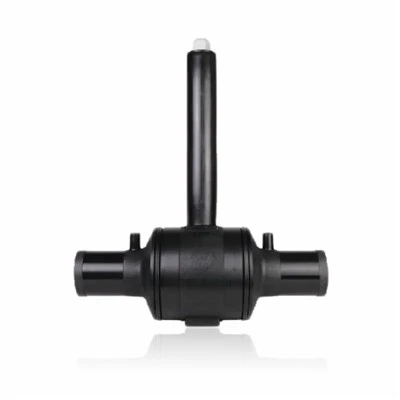
First off, let’s talk about what compatibility means in the context of steel – plastic joints. Compatibility refers to how well the steel and plastic parts of the joint work together. There are a few key aspects to this: material compatibility, chemical compatibility, and mechanical compatibility.
Material Compatibility
Material compatibility is all about the physical properties of the steel and plastic. Different types of steel have different strengths, ductilities, and corrosion resistances. The same goes for plastics. For example, if you’re using a high – strength steel in a joint, you need a plastic that can match its mechanical properties to some extent.
Let me give you an example. I once had a customer who was working on a project that required a lot of flexibility in the joint. They initially wanted to use a very rigid type of steel and a hard plastic. But after some discussion, we realized that this combination wouldn’t work well. The rigid steel and hard plastic would make the joint too stiff, and it wouldn’t be able to handle the bending and twisting that the project demanded.
So, we switched to a more ductile steel and a flexible plastic. This combination allowed the joint to move and flex without breaking. The plastic was able to absorb some of the stress that the steel would otherwise have to bear alone, which extended the lifespan of the joint.
Another thing to consider with material compatibility is the coefficient of thermal expansion. Steel and plastic expand and contract at different rates when the temperature changes. If the difference in their coefficients of thermal expansion is too large, it can cause stress in the joint over time. This stress can lead to cracking, loosening, or even complete failure of the joint.
For instance, in an outdoor application where the temperature can vary widely between day and night, you need to choose a steel – plastic combination with similar coefficients of thermal expansion. This way, the joint can expand and contract together without causing any internal damage.
Chemical Compatibility
Chemical compatibility is also a big deal. The steel and plastic in the joint may be exposed to various chemicals in their environment. These chemicals can react with either the steel or the plastic, leading to corrosion or degradation.
Let’s say you’re using a steel – plastic joint in a chemical processing plant. The joint may come into contact with acids, bases, or solvents. If the plastic isn’t resistant to these chemicals, it can start to dissolve or break down. Similarly, if the steel isn’t corrosion – resistant, it can start to rust.
I remember a case where a customer was using a steel – plastic joint in a water treatment facility. The water in the facility had a high chlorine content. The initial plastic they were using wasn’t resistant to chlorine, and over time, it started to become brittle and crack. The steel also started to corrode due to the chlorine.
We recommended a different plastic that was specifically designed to be chlorine – resistant and a stainless steel that had better corrosion resistance. After the switch, the joint performed much better, and the customer didn’t have to worry about frequent replacements.
Mechanical Compatibility
Mechanical compatibility is about how the steel and plastic parts of the joint fit together and work under load. The design of the joint is crucial here. The shape, size, and connection method of the steel and plastic components need to be carefully considered.
For example, if you’re using a threaded connection between the steel and plastic parts, the thread pitch and diameter need to match precisely. If they don’t, the connection may be loose or difficult to assemble. A loose connection can lead to vibrations, which can cause wear and tear on the joint over time.
In some cases, you may need to use additional mechanical fasteners or adhesives to ensure a secure connection between the steel and plastic. But you need to make sure that these additional components are also compatible with both the steel and the plastic.
I once worked on a project where a customer wanted to use a snap – fit connection for a steel – plastic joint. However, the initial design of the snap – fit wasn’t strong enough to hold the two materials together under the expected load. We had to modify the design, adding some ribs and increasing the thickness of the plastic part at the connection point. This made the snap – fit more secure and reliable.
The Impact of Compatibility on Selection
So, how does all this compatibility stuff affect the selection of a steel – plastic joint? Well, it has a huge impact on both the performance and the cost of the joint.
Performance
A well – compatible steel – plastic joint will perform better in the long run. It will be more durable, resistant to damage, and able to handle the intended loads and environmental conditions. For example, a joint with good material compatibility will be able to withstand temperature changes without cracking or loosening. A chemically compatible joint will be able to resist corrosion and degradation in a harsh chemical environment. And a mechanically compatible joint will have a secure connection, reducing the risk of failure due to vibrations or improper assembly.
On the other hand, a poorly compatible joint may fail prematurely. It could crack, corrode, or come apart, which can lead to costly repairs or even safety hazards. Imagine if a steel – plastic joint in a bridge or a pipeline fails. It could cause serious accidents and disruptions.
Cost
The cost of the joint is also affected by compatibility. Choosing the right combination of steel and plastic may initially cost more, but it can save you money in the long run. A well – compatible joint will have a longer lifespan, which means you won’t have to replace it as often. This can reduce maintenance and replacement costs.
In contrast, if you choose a cheap but incompatible joint, you may end up spending more in the long term. You’ll have to deal with frequent repairs and replacements, which can add up quickly.
Wrapping It Up and Reaching Out
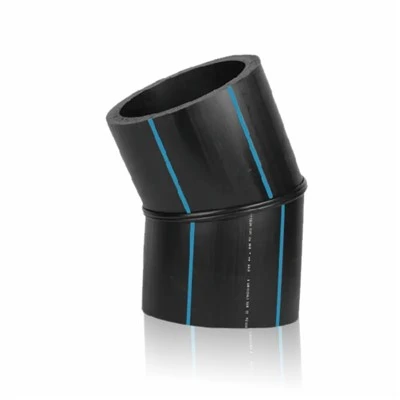
In conclusion, compatibility is a key factor when selecting a steel – plastic joint. Material compatibility, chemical compatibility, and mechanical compatibility all play important roles in the performance and cost of the joint. As a supplier, I’ve seen firsthand how the right or wrong choice of compatibility can make or break a project.
Electrofusion Fittings If you’re in the market for steel – plastic joints, I’d love to have a chat with you. We can discuss your specific requirements, the environmental conditions your joints will be exposed to, and I can help you choose the most compatible and cost – effective solution. Don’t hesitate to reach out. I’m here to make sure you get the best steel – plastic joints for your project.
References
- Callister, W. D., & Rethwisch, D. G. (2016). Materials Science and Engineering: An Introduction. Wiley.
- Ashby, M. F., & Jones, D. R. H. (2012). Engineering Materials 1: An Introduction to Properties, Applications, and Design. Butterworth – Heinemann.
- Strong, A. B. (2008). Plastics: Materials and Processing. Pearson Prentice Hall.
Yuyao Aoshi Hydraulic Components Manufacturing Co., Ltd.
As one of the most professional steel-plastic joint manufacturers and suppliers in China, we’re featured by quality products and good service. Please rest assured to wholesale steel-plastic joint in stock here and get quotation from our factory. Customized orders are welcome.
Address: Huilong village, Zhangting town, Yuyao city, Zhejiang province, China.
E-mail: renxuwei@vip.163.com
WebSite: https://www.jintongtrading.com/
