What is the contact force of a THR Connector? THR Connector
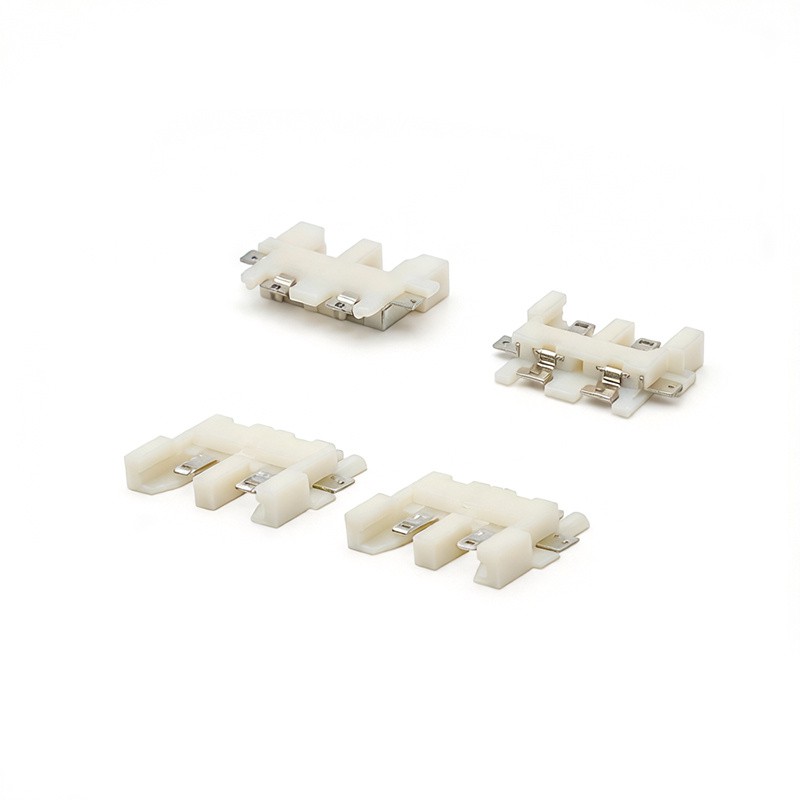
Hey there! I’m a supplier of THR (Through-Hole Reflow) connectors. You might be scratching your head and wondering, "What on earth is the contact force of a THR connector?" Well, stick around, and I’ll break it down for you in plain English.
First off, let’s get the basics out of the way. A THR connector is a type of electronic connector that’s used to connect different parts of a circuit board. It goes through the holes in the board and is then soldered in place using a reflow process. It’s a popular choice because it offers a good balance between mechanical strength and electrical performance.
Now, the contact force of a THR connector is super important. It’s basically the force that the connector exerts on the mating part, like a pin or a socket. You can think of it as the grip that the connector has on the other component. Why is this so crucial? Well, a proper contact force makes sure that there’s a good electrical connection between the two parts. Without it, you could end up with issues like high resistance, intermittent signals, or even complete failure.
Let’s talk about how contact force affects electrical performance. When the contact force is right, it squeezes the mating parts together tightly. This reduces the resistance at the contact point, allowing current to flow smoothly. It’s like water flowing through a pipe; if there’s less resistance, more water can get through. In the same way, a lower electrical resistance means that more current can flow between the connector and the component, leading to better signal transmission and fewer errors.
But it’s not just about the electricity. The contact force also plays a big role in mechanical stability. A strong contact force keeps the connector firmly in place, even when there’s vibration or movement. This is especially important in applications where the equipment might be jostled around, like in automotive or aerospace systems. You don’t want your connectors coming loose mid – flight or while you’re driving down a bumpy road!
So, how do we measure the contact force of a THR connector? There are a few different methods. One common way is to use a force gauge. You simply attach the mating part to the gauge and then insert it into the connector. The gauge will then measure the force required to insert and withdraw the part. This gives you a good idea of the contact force. Another method is to use strain gauges. These are sensors that can detect the deformation of the connector when a mating part is inserted. By analyzing the deformation, we can calculate the contact force.
As a supplier, we pay a lot of attention to getting the contact force just right. We use high – quality materials and advanced manufacturing processes to ensure that our connectors have consistent and reliable contact forces. For example, we carefully select the metals for the connector pins and sockets. Some metals are better at maintaining their shape and providing a strong grip over time.
We also invest in testing equipment. We test each batch of connectors to make sure that they meet our strict quality standards. We check the contact force under different conditions, like temperature and humidity, because these factors can affect the performance of the connector. If a batch doesn’t meet our standards, we don’t send it out. We’d rather take the time to fix the issue than risk sending out a sub – standard product.
Now, let’s look at some real – world examples of how the contact force of a THR connector matters. In a smartphone, the connectors that link the different components together need to have a proper contact force. If the contact force is too low, the phone might experience problems like random shutdowns or loss of signal. On the other hand, if the contact force is too high, it could damage the delicate components inside the phone.
In industrial control systems, reliable connectors are a must. These systems often operate in harsh environments, with lots of dust, heat, and vibration. A THR connector with a strong and stable contact force can ensure that the system runs smoothly and without interruptions. This means less downtime and more productivity for the businesses that rely on these systems.
When you’re choosing a THR connector, you need to consider the specific requirements of your application. If you’re working on a project where space is limited, you might need a connector with a smaller form factor but still maintains a good contact force. If your application is in a high – temperature environment, you need a connector that can withstand the heat without losing its grip.
As a supplier, we’re always here to help you make the right choice. We have a team of experts who can answer your questions and provide you with technical support. We understand that every project is different, and we’ll work with you to find the best THR connector for your needs.
Whether you’re a small – scale electronics hobbyist or a large – scale manufacturer, having a reliable THR connector is essential for the success of your project. So, if you’re in the market for a THR connector, give us a call or drop us a line. We’ll be more than happy to discuss your requirements and provide you with a quote. We’re confident that our connectors will meet your expectations and exceed your needs.

In conclusion, the contact force of a THR connector is a crucial factor that affects both the electrical and mechanical performance of your electronic systems. As a supplier, we’re dedicated to providing high – quality connectors with the right contact force for your applications. So, don’t hesitate to get in touch with us for all your THR connector needs.
Header Connector References:
- Electronic Connector Handbook
- Journal of Electrical and Electronics Engineering
Wenzhou JKUN Connector Co., Ltd.
As one of the most professional thr connector manufacturers and suppliers in China, we’re featured by quality products and low price. Please rest assured to wholesale bulk customized thr connector from our factory. For quotation and free sample, contact us now.
Address: No.2667, Ningkang East Road, Yueqing City, Zhejiang Province, China
E-mail: sales@cnjkun.com
WebSite: https://www.jkunjcj.com/
