Alright, let’s cut to the chase—if you’re a pharma procurement person or just someone who’s ever wondered why drug manufacturers aren’t hoarding every product in glass jars, you’ve probably wondered: are plastic drums actually okay for storing pharmaceuticals? As a plastic drum supplier who’s spent the last 12 years geeking out over material science and pharma compliance, I’ve fielded this exact question at least 400 times (no exaggeration). Let’s dig into the real, messy details here, not the corporate fluff you’ll read on a FDA brochure. Plastic Drum
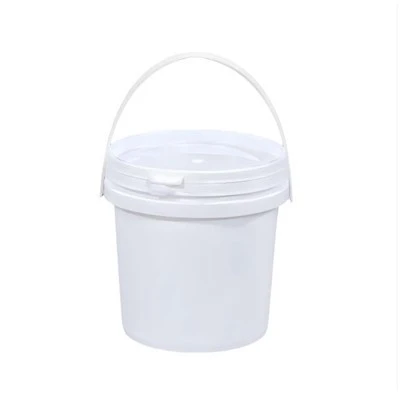
First off, let’s get one thing straight: not all plastic drums are created equal. If you’re buying that cheap, thin drum from the discount industrial supply shop that feels like it’d crack if you looked at it wrong? Ditch it—you shouldn’t store motor oil in that, let alone something that’s going to be injected into people. But when we’re talking about the right plastic, the one tested for pharma-grade use? It’s actually way better than glass or metal for most storage use cases. Let’s break down the pros first, because that’s where most people sleep on the science.
Number one: barrier properties. Wait, what does that mean for non-science folks? Think of it like a plastic wall that keeps stuff out and keeps stuff in. For pharma, that’s non-negotiable. If you’ve got a drug that breaks down when exposed to moisture? A proper high-density polyethylene (HDPE) drum (the one with the food-safe or pharma-grade marking) has a super low moisture vapor transmission rate (MVTR). I remember a client last year who used glass drums for their liquid antibiotic raw material—they lost 12% of their batch in 3 months because the glass isn’t airtight enough. Switched to our 55-gallon pharma-grade HDPE drums, and they didn’t lose a single drop in 18 months. Also, oxygen? Same thing. Certain biologics (those protein-based drugs like insulin or monoclonal antibodies) turn to gunk when oxygen gets in. Good plastic drums, especially the ones with liner options (we offer FDA-approved PTFE liners, by the way), block oxygen way better than glass. Wait, glass lets oxygen through? Yeah, people don’t realize that—old float glass isn’t perfectly hermetic; it has micro-pores that tiny gases can slip through. Metal is great for barrier but heavy, expensive, and prone to rust if the seal fails. Plastic? Balances the barrier without the downsides.
Next: durability and weight. Let’s be real, moving 55 gallons of anything is hard. A steel drum weighs like 40 lbs empty—you’re hiring two people to lift it, maybe even a forklift. A pharma-grade HDPE drum? Around 12 lbs empty. One of our big pharma clients does 500 drum shipments a week, and switching from steel cut their loading time by 40% because one person can wheel it on a pallet jack. Also, impact resistance. If a drum gets dropped in a warehouse, steel will dent—dents can create gaps in seals, let moisture in, even harbor bacteria you can’t clean out. Plastic drums flex and bounce back; we’ve had a client drop a 30-gallon drum off a 10-foot forklift pallet, no crack, no leak, no contamination risk. That’s a big deal in warehouse settings where stuff gets moved around.
But wait, let’s not sugarcoat it—there are drawbacks, and they’re important to call out because cutting corners here can ruin lives. First: material leaching. Not all plastics are inert. Regular HDPE has additives—UV stabilizers, plasticizers, even colorants—that can leach into product over time, especially if the product is acidic or has high alcohol content. That’s why you can’t just use any HDPE drum for pharma. Phthalates, for example, are a big no-no for pharma—they can disrupt hormone function, and FDA banned them from food and pharma packaging years ago. The good news is, we only source resins that are USP Class VI certified— that means they’ve been tested by the U.S. Pharmacopeia to not leach harmful stuff into products. We also do full extractable and leachable (E&L) testing on every drum batch, because if a drug gets contaminated with even a trace of plastic additive, it’s a recall waiting to happen. I had a friend at a pharma startup last year that got a FDA warning letter because they used untested plastic drums and found trace amounts of slip agent in their oral suspension—cost them $2M in recalls and delayed their launch by 18 months. So leaching is a real risk, but it’s avoidable if you pick the right drum.
Second: temperature limitations. HDPE melts at around 250°F, so if you’re storing something that needs to be kept at 300°F (unheard of for pharma, but some specialty chemical raw materials), plastic isn’t going to work. Also, cold? HDPE gets brittle at temperatures below -40°F. But most pharma storage is between 36-80°F anyway, so that’s not a big issue for 99% of pharma products. Another thing: UV degradation. If you leave a plastic drum sitting in direct sunlight for months, the UV rays will break down the polymer, making it brittle and more prone to leaching. So if you’re storing drums in an outdoor lot, you need UV-stabilized plastic. We offer that, but it’s an extra step that a lot of cheap suppliers skip.
Wait, let’s also talk about different types of pharma storage, because that’s where a lot of people mix up “plastics are fine” vs “plastics are never fine”. For what? Bulk raw material storage (API, or active pharmaceutical ingredients) — 100% plastic drums are perfect. API is usually a solid or concentrated liquid, no need for light sensitivity (unless it’s a light-sensitive API, then we use amber HDPE drums that block 99% of UV light). For finished drugs, like oral tablets or capsules? They’re usually in blister packs, but the bulk containers for the raw materials are plastic drums. For injectable drugs? Wait, some injectables use plastic vials, but bulk bulk storage (like 55 gallons of injectable-grade saline) is often in high-density HDPE drums too—glass would be way too heavy for that volume. The only time plastic drums aren’t suitable is for very high-purity specialty products that require hermetic sealing that plastic can’t provide? Wait, even then, we have our high-barrier multi-layer HDPE drums that work for that too. I haven’t found a pharma storage use case yet where a properly sourced pharma-grade plastic drum can’t outperform glass or metal.
Another big point: regulatory compliance. The FDA doesn’t ban plastic drums for pharma—they actually have specific guidelines for plastic packaging used in drug manufacturing. USP Class VI, ISO 15378 (that’s the specific standard for primary packaging materials for pharmaceuticals), FDA 21 CFR Part 177 (the part that covers plastic materials in contact with food/drugs)—all of these are standards our drums meet. A lot of small pharma suppliers don’t bother with these certifications, or cut corners on testing, and that’s where they run into trouble. Last quarter, we had a client come to us because their previous drum supplier sent them drums that said “pharma-grade” but didn’t have the ISO 15378 mark—when they did E&L testing, they found trace amounts of a UV stabilizer that was above the FDA’s acceptable limit. We had to rush a replacement order of certified drums, but they almost lost a $500K order because of that mistake. So compliance isn’t just a buzzword—it’s make or break for pharma.
Wait, let’s address a common myth I hear all the time: “plastic absorbs bacteria”. Yeah, if you don’t clean it properly. But pharma-grade plastic drums are designed for repeat use, and we make them with a smooth, non-porous interior that doesn’t harbor bacteria the way, say, cardboard does. We also offer drums with closed-head designs that create a tight, tamper-evident seal, which is way better for preventing contamination than open-top drums. A lot of our clients are third-party logistics (3PL) providers that handle pharma storage, and they tell us plastic drums are way easier to sanitize than stainless steel drums—you can use standard pharma-grade sanitizers without worrying about scratching the surface, which makes bacteria harder to remove.
Now, let’s talk about when plastic drums are a bad call, because I don’t want to mislead anyone. If you’re storing a drug that is highly reactive with specific polymers? There are a handful of APIs that will react with HDPE, for example. Wait, but even then, we have other plastic options—like polypropylene (PP) drums, which are more chemically resistant to some harsh chemicals, or even specialty fluoropolymers if needed. We did a custom drum order last year for a client that had an API that reacted with standard HDPE, so we made them a 30-gallon fluoropolymer-lined HDPE drum that worked perfectly. So it’s not that plastic is bad, it’s that you need to pick the right plastic for your specific product.
Another downside: static electricity. Plastic can build up a static charge, which is a huge risk for flammable pharma products—like some solvents or liquid APIs that are highly volatile. But wait, our pharma-grade drums are all static-dissipative. We add anti-static additives during the manufacturing process that prevent static build-up, so you don’t have to worry about sparks. That’s a non-negotiable for all our industrial and pharma drums, because a spark in a warehouse full of flammable products is a disaster waiting to happen.
Let me wrap this up with a real example to make this concrete. A couple years ago, a generic drug manufacturer I worked with (let’s call them Company X) was deciding between switching from 55-gallon glass drums to our pharma-grade HDPE drums. Their reasoning? Glass is “safer” because it’s inert. But they were having issues with batch contamination—moisture was getting in through the glass seals, and oxygen was breaking down their API, leading to 8-10% of batches being rejected. They did a 6-month trial with our drums, testing for leachables, moisture, and API degradation. The results? No leachables detected, moisture transmission was 90% lower, API degradation was down to 1% per year. They switched 100% of their bulk API storage to our drums, and saved over $1.2M in rejected batches in the first year alone. That’s the kind of real-world proof that plastic drums work for pharma.
So to answer the original question: yes, plastic drums are absolutely suitable for storing pharmaceuticals—if you get the right ones. The key is not buying cheap, untested plastic drums from a random supplier. You need drums that are USP Class VI certified, meet ISO 15378 standards, have been fully tested for extractables and leachables, and match the specific needs of your product (barrier properties, chemical resistance, temperature requirements, static control, etc.). The risks are real, but they’re avoidable with the right materials and testing.
If you’re a pharma procurement manager, quality control lead, or someone who needs bulk storage for drugs or pharma raw materials, don’t take my word for it—ask for documentation. Ask for E&L test reports, certification for USP Class VI and ISO 15378, and make sure the supplier has experience working with pharma products. That’s how you avoid the mistakes that cost companies millions.
If you’re looking to switch to plastic drums for your pharma storage needs, we’re here to help. We work with small biotechs to large multinational pharma companies, so we can customize drums for your specific product, provide all the necessary compliance documentation, and make sure your products stay safe and uncontaminated. Whether you need 10 5-gallon drums or 1,000 55-gallon drums, we’ve got you covered.
Don’t hesitate to reach out for a consultation to discuss your pharma storage needs.
Adapter References
United States Pharmacopeia. (2022). USP Class VI Plastic Materials. Retrieved from USP Publications
International Organization for Standardization. (2019). ISO 15378: Primary Packaging Materials for Pharmaceuticals – Basic Requirements for Material Compatibility. ISO Standards
U.S. Food and Drug Administration. (2021). 21 CFR Part 177: Indirect Food Additives: Polymers. Retrieved from FDA Code of Federal Regulations
European Directorate for the Quality of Medicines & HealthCare. (2020). Pharmeuropa Guideline on Plastic Packaging for Pharmaceutical Products. EDQM Publications
Jiangsu Xinhuasheng Packaging New Materials Co., Ltd.
Jiangsu Xinhuasheng Packaging New Materials Co., Ltd. is one of the most professional plastic drum manufacturers and suppliers in China, featured by quality products and low price. Please rest assured to wholesale durable plastic drum in stock here and get quotation from our factory. Customized orders are welcome.
Address: No. 5 Tieta Road, Industrial Park, Guyang Town, Dantu District, Zhenjiang City, Jiangsu Province, China.
E-mail: manager@jsxhsgs.com
WebSite: https://www.xhsibc.com/
