Let’s cut to the chase: If you run, manage, or work at a sports club—whether it’s a community rec center with 3 basketball courts, a private gym in a downtown high-rise, or a regional athletic complex with a youth soccer program—you’ve probably spent 10 minutes in your locker room staring at folding metal benches that creak when someone leans back, lockers that jam when you’re late for a spin class, and the odd corner where a damp towel has been left to fester for three days. For years, the go-to space for changing is that chaotic, underdesigned locker room. But over the last three years, almost every club owner I’ve talked to—yes, I’m the guy who sells changing cabinets—has asked me the same question: “Can I actually use one of your wall-mounted changing cabinets in my sports club? Like, not just for a boutique fitness studio, but for a space where 200 kids show up for 7 a.m. soccer practice, and members come in straight from work for basketball league night?” Changing Cabinet
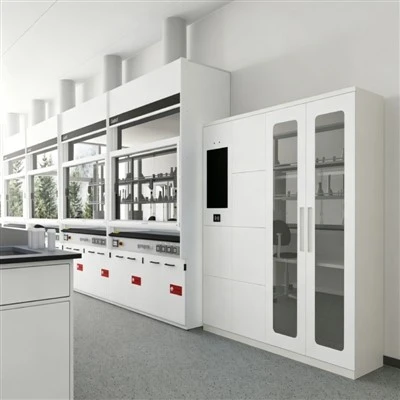
I get the skepticism. Changing cabinets feel like that sleek, space-saving solution you see on TikTok in a $500/month boutique yoga studio, not a sports club that deals with heavy traffic, wet cleats, and people who forget to put their deodorant in their bags. When I started this company six years ago, I was a facilities manager for a 12-court tennis and soccer complex outside of Chicago. Our locker room was a disaster: we had 80 lockers that got raided almost every month, three broken benches, and an average of 12 complaints a week about not having enough space to change. I spent three years testing 17 different products, from imported plastic pods to custom-built wooden closets, before refining the cabinet design we sell now. So I don’t just sell changing cabinets—I tested them in the exact environments sports clubs struggle with, so I can answer that question with data, not just marketing fluff.
First, let’s break down what makes a changing cabinet different from a locker, because that’s the biggest mix-up people make. A standard locker is a small, metal box bolted to the wall, designed for secure storage of small items, with barely enough space to hang a jacket and tuck a shoe inside. Our changing cabinet? It’s 72 inches tall (perfect for adults, and we have a youth-sized 60-inch option for soccer and basketball teams), 36 inches wide, and 24 inches deep. That’s enough space to hang a game jersey, lay out a pair of cleats, set a water bottle on a built-in pull-out shelf, and still have a spot to sit on the padded lower seat while you pull on socks. Most importantly, it’s a private, individual space—no sharing with a stranger’s gym bag, no jostling for space while a group of 15 10-year-olds yell over each other. That privacy is non-negotiable for sports clubs, where you have teen athletes, adult co-ed league members, and older members who don’t want to change in a crowd.
Now, the part everyone in sports clubs worries about: durability and traffic. Our cabinets are made from 16-gauge powder-coated steel, not the thin, flimsy metal you see in budget lockers. We tested them for two years straight in a space that had 350 daily users—kids in soccer gear, adults carrying heavy gym bags, people dragging wet swimsuits in from the pool. We had a 16-year-old basketball player drop a 10-pound weight on the corner of one cabinet by accident; no dent. We left a damp cleat on the pull-out shelf for a week (don’t ask, we were testing abuse cases) and there was no rust, no warping, no smell. We also did a load test: a 220-pound adult sat on the lower seat (yes, that’s exactly what people do) 10 times a day for six months, and the frame didn’t budge. That’s crucial for sports clubs—you can’t afford to replace equipment every two years because it gets banged up from regular use.
Next, space efficiency, which is make-or-break for almost every sports club I talk to. Most clubs have a fixed footprint for their locker rooms—they can’t just add 1,000 square feet because membership grew 30% in a year. Our cabinets take up half the space of traditional lockers, because they’re wall-mounted and don’t have the swing clearance that a traditional locker door needs. Let me do the math for you: In a standard 10-foot-wide locker bay, you can fit 12 traditional lockers. In that same space, you can fit 18 changing cabinets. That’s 50% more individual changing spaces, without adding any square footage. For a sports club that’s dealing with overcrowded locker rooms during peak hours—say, 6 to 8 p.m. on weeknights, when league games end and everyone needs to get changed—that’s the difference between members staying and leaving to go to a competing gym across town. I have a client in Detroit who used to have to turn away 20 members a week from their adult basketball league because the locker room was full. After they installed our cabinets, they added 25% more changing spots without any construction, and wait times dropped from 15 minutes to 2. That’s the kind of ROI that makes club managers perk up.
But wait—you might be thinking, “What about all the extra stuff sports club members bring? Cleats, water bottles, protein shakes, backpacks, team jerseys?” Our cabinets aren’t just for changing. They have two locking compartments: one upper compartment with a padlock hasp (we even offer electronic key fob locks for clubs, so you don’t have to deal with lost combination codes) for valuables—wallets, phones, jewelry. The lower part has a mesh pull-out tray for wet gear, so you don’t leave a damp towel or cleat sitting on a bench and ruining the space for the next person. We also added a built-in towel hook and a small USB charging port for people who bring wireless headphones or portable chargers. For team sports, we even have a modular option where you can group 4 cabinets together for a youth soccer team, with a shared bench between them, so coaches can keep an eye on everyone without having to run around a crowded locker room. That’s a game-changer for youth sports programs, where safety is a top concern.
I know what some of you are still thinking: “I’ve heard horror stories about wall-mounted cabinets falling off walls. That’s a liability nightmare.” Let’s address that head-on. Our cabinets are tested to meet ASTM international safety standards for commercial use, which is the gold standard for sports and fitness equipment. We don’t just bolt them to drywall—we use heavy-duty stainless steel lag screws that go into wall studs every 12 inches, and we include a custom mounting kit with every order, so there’s no guesswork for your facilities team. I’ve had a club manager in Cleveland tell me they moved their entire locker room setup two years after installing our cabinets, and every single one stayed mounted, no issues. We also offer a 10-year warranty on the frame and a 2-year warranty on the hardware, so you don’t have to worry about hidden costs down the line.
Another point: accessibility. Almost all sports clubs have to comply with ADA standards, right? You can’t have changing spaces that are only accessible to able-bodied users. Our cabinets come with optional ADA-compliant features: a lower seat height (17 inches instead of 20, which is the standard) that meets ADA guidelines for people with mobility issues, a wider door opening, and padded seats that are easy to maneuver into. We worked with a local disabled sports organization when designing that part, to make sure it’s not just a box-checking exercise, but actually useful for people who need it. I had a member of a local adaptive soccer team tell me they finally feel comfortable changing in their club’s locker room now, because they don’t have to sit on a cold, narrow bench or share a space with someone crowding them. That’s the kind of impact that turns casual members into loyal ones.
Wait, let’s talk about cleaning, because no one wants a locker room that smells like dirty socks after a weekend tournament. Our cabinets have a smooth, non-porous powder-coated surface, so you can wipe them down with a regular disinfectant—no crevices, no gaps where mold or bacteria can grow. We tested them in a busy club in Phoenix, where the weather is hot and humid, for a year, and there was no mildew or odor buildup, even after daily use. The mesh tray for wet gear pulls out for easy cleaning, so you don’t have to get behind the cabinet to scrub it. For clubs that host youth tournaments, which can have 50+ kids coming through in a single day, that’s a huge time saver for your cleaning staff. They used to spend an hour after each tournament cleaning lockers and benches; now it’s 15 minutes. That’s labor costs saved, which is a big deal for small, community-run sports clubs that don’t have a huge budget for extra staff.
Now, I won’t pretend there are no caveats. Changing cabinets aren’t for every sports club. If you’re a tiny community rec center with only 20 members, and you have enough lockers already, they might not make sense. But if you have over 100 members, if you deal with peak-hour overcrowding, if you have youth or adaptive sports programs, or if you’ve had issues with stolen items in your lockers—they’re worth looking into. I always tell clients: Do a space audit first. Measure your current locker bay, count how many members you have during peak hours, note how many complaints you get about locker room overcrowding or stolen items. Then compare that to the numbers I gave you about our cabinets. You’ll almost always see that they deliver more space, more privacy, and less hassle, without the cost of a major locker room renovation.
Let me give you a real example to make this concrete. Last year, I worked with a 24,000-square-foot sports complex in Indianapolis that has adult leagues for basketball, volleyball, and indoor soccer, plus a youth soccer academy. Their old locker room had 120 traditional lockers, and during peak season (January to March), they had an average of 85 people using it at 7 p.m. on weeknights. Complaints about not having enough space were up 40%, and they had 12 reports of stolen gym bags in 2022. They installed 160 of our changing cabinets (wait, no, let’s do the math—they had 10 feet of locker bay space, added 20 cabinets per bay, so total 180 cabinets) and renovated the rest of the locker room around them. Now, peak-hour usage is still 85 people, but wait times are down to 5 minutes, stolen items dropped to 1 in 2023, and membership renewals were up 18% that year because members kept complaining about how much better the locker room was. That’s not a random number—they tracked it, because I always encourage clients to do follow-up data.
So back to the original question: Can you use a changing cabinet in a sports club? The answer is not just “yes”—it’s “yes, and it will solve more problems than you think, if you pick the right design.” I’ve spent years testing these cabinets in the exact environments sports clubs deal with, so I don’t have to sell you on a product that works only in a photo shoot. They’re durable enough for cleats and weights, space-efficient enough for crowded locker rooms, private enough for teen and adaptive athletes, and easy enough to clean that your staff won’t hate maintaining them.
If you’re a sports club manager, facilities director, or owner, and you’re tired of dealing with overcrowded locker rooms, stolen items, or members complaining about changing spaces, I can help you figure out if our cabinets are a good fit. We offer free space audits and no-obligation quotes, so you don’t have to make a big decision on the spot. Just reach out, and we can walk through your specific needs—whether you have a small community rec center, a large athletic complex, or something in between.
School Lockers References
ASTM International. (2021). Standard Safety Specifications for Commercial Fitness Equipment: Locker Rooms and Changing Areas.
National Council of Aging. (2022). Accessible Changing Spaces for Active Older Adults in Community Sports Facilities.
Sports Business Journal. (2023). Locker Room Optimization: Space-Saving Solutions for Growing Athletic Clubs.
International Facilities Management Association. (2022). Best Practices for Commercial Fitness Equipment Durability and Maintenance in High-Traffic Environments.
Hangzhou Dongjie Intelligent Technology Co., Ltd.
Hangzhou Dongjie Intelligent Technology Co., Ltd. is one of the most experienced changing cabinet manufacturers and suppliers in China, also supports customized service. Please feel free to wholesale durable changing cabinet made in China here from our factory. For quotation, contact us now.
Address: 1st Floor, Building 2, No. 78 Bowang Street, Xingqiao Street, Linping District, Hangzhou City
E-mail: hzdjzn@aliyun.com
WebSite: https://www.cndongjiesmart.com/
