If you’ve ever sat on a well-cushioned sofa, sunk into a car seat that feels supportive yet forgiving, or rested against a headboard that doesn’t dig into your shoulder, you’ve interacted with upholstery sponge—even if you didn’t realize it. As someone who’s spent the last 12 years as a supplier dedicated to this material, I’ve lost count of how many times customers ask, “Is that just foam?” The short answer is yes, but it’s a far more precise, engineered product than the generic blocks you might see at a craft store. Today, I want to break down what upholstery sponge actually is, why it matters, and how choosing the right type can make or break any furniture piece that’s meant to last. Upholstery Sponge
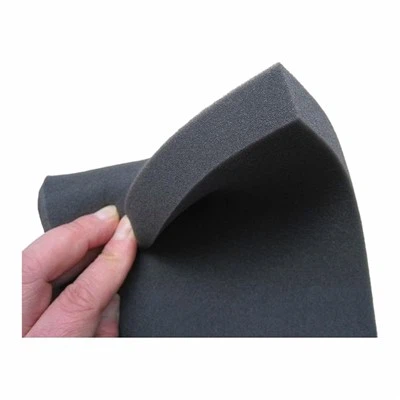
First, let’s get the basics right. Upholstery sponge is a type of flexible polyurethane foam, but not all flexible foam qualifies. The key difference lies in its formulation, density, and durability—things that matter when the foam is going to be sat on, leaned against, or shifted for decades, not just used for a one-time craft project. Unlike soft, low-density foam used for packaging or toy stuffing, upholstery sponge is engineered to balance three core traits: support, comfort, and resilience. Support comes from its ability to distribute weight evenly so you don’t feel like you’re sitting on a hard wooden frame after 10 minutes; comfort is the soft, give that makes a sofa feel inviting; and resilience is how quickly it bounces back after you shift your weight. Cheap foam loses that bounce in a year or two, but good upholstery sponge can hold its shape for 10, 20, even 30 years.
Let’s dive into how it’s made, because that’s where the science (and the quality) lives. The process starts with two main liquid components: polyol and isocyanate. When mixed together with a blend of additives—things like catalysts that control how fast the reaction happens, surfactants that stabilize the foam structure, blowing agents that create the tiny air pockets that make it light, and flame retardants for safety—they react in a large mixing machine, rising like a giant, foamy cake. That big block is then cured, cut into sheets or custom shapes, and finished to meet specific performance standards. What I’ve seen over the years is that the ratio of these ingredients is everything. Too much isocyanate, and the foam becomes stiff and brittle; too little, and it’s too soft and collapses under weight. Additives also play a huge role: for outdoor upholstery, we use UV-resistant additives so the foam doesn’t crumble in sunlight, and for high-traffic commercial furniture, we bump up the density and use extra durable polyols to handle constant use.
Density is probably the most talked-about specification when it comes to upholstery sponge, and for good reason. It’s measured in kilograms per cubic meter (kg/m³) or pounds per cubic foot (lb/ft³), and it’s a reliable indicator of quality, but only if you know what the numbers mean. For residential sofa cushions, a density of 28–35 kg/m³ is a sweet spot: it’s soft enough to be comfortable, but firm enough to hold shape. For commercial spaces—think airport terminals, office waiting rooms, or public libraries—we usually recommend 35–45 kg/m³, because those cushions are sat on 10 times a day, every day. And for heavy-use items like theater seats or work van seats, we go even higher, up to 50 kg/m³ or more. I always tell customers not to chase density just for the sake of it: a 60 kg/m³ foam is incredibly durable, but it’s also very expensive, and a sofa made with it might feel too rigid for someone who values softness. It’s a trade-off between use case, budget, and desired feel.
Resilience, sometimes called “indentation load deflection” (ILD), is another critical metric. ILD measures how much force is needed to compress a foam by 25%, and it’s what gives a sponge its feel. A lower ILD number means softer foam—like a 150 N ILD, which is plush and sinking, good for a throw pillow. A higher ILD means firmer foam—300 N or more is what you want for a dining chair seat, where you don’t want to sink too deep. The key here is that good upholstery sponge has a “recovery rate” of 90% or higher, meaning it bounces back 90% of its original shape within a few seconds after being compressed. Foam with a low recovery rate leaves permanent indentations, which is why some sofas look lumpy after just a year or two—they used low-quality sponge with poor resilience.
But upholstery sponge isn’t just about sitting comfort. It has to meet practical, safety-related standards too, especially in spaces where fire risk is a concern. For example, in the US, commercial furniture must meet CAL 117 or NFPA 701 standards, which require the foam to resist igniting and stop burning quickly. In Europe, it’s EN 1021. The good news is that modern additives mean we don’t have to use old, toxic flame retardants anymore—today’s formulations are non-halogenated, meet safety requirements, and don’t off-gas that chemical smell you might have noticed in old foam products. As a supplier, I make sure every batch of upholstery sponge we provide is tested to the relevant standards for its intended use, because that’s non-negotiable for both residential and commercial customers.
Over the years, I’ve worked with hundreds of furniture makers, from small local upholsterers to large national sofa brands, and one thing I’ve learned is that choosing the right upholstery sponge isn’t a one-size-fits-all decision. A customer who makes custom dining chairs will need a firmer, higher-density foam than someone making plush sectional sofas for living rooms. A café owner needs a foam that’s resistant to spills and easy to clean, so we’ll often add a hydrophobic coating to make it water-repellent, without ruining its comfort. A hotel chain needs foam that’s consistent across hundreds of rooms, so we produce it in large, controlled batches to ensure every cushion is identical.
I’ve also seen the misconceptions that come with this industry. Some people think all foam is the same, so they’ll go for the cheapest block they can find, only to end up with customer complaints about lumpy cushions or seats that sag after a year. Last year, I worked with a small furniture maker who switched to our medium-density resilience foam after years of using a cheaper import foam. They told me their return rate for cushion issues dropped by 70% that year, because the difference in quality was night and day. Another common myth is that firmer foam is always better, but I’ve seen sofas with overly firm foam that customers hated—they wanted something soft to sink into, and we found a 30 kg/m³ foam with a medium ILD that checked all their boxes.
What makes upholstery sponge special, to me, is that it’s part of something people use every day, but rarely think about. It’s the difference between a sofa you buy and keep for 10 years, and one you replace after 2. It’s what makes a car seat comfortable on a long road trip, or a headboard that doesn’t leave you with a sore back after reading in bed. As a supplier, my job isn’t just to sell foam blocks—it’s to help customers pick the right sponge for their specific needs, whether that’s a soft, resilient foam for a luxury living room sofa, a durable, fire-resistant foam for a hospital waiting room, or a water-repellent option for outdoor patio furniture.
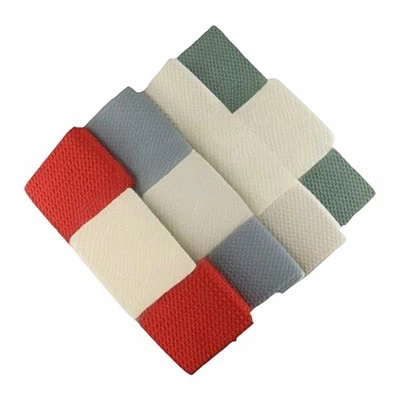
Cleaning Sponge If you’re a furniture maker, upholsterer, or anyone sourcing materials for seating or cushioning, I hope this breakdown has cleared up what upholstery sponge is and why it’s so important. Quality upholstery sponge isn’t a hidden cost—it’s an investment in the durability and comfort of the final product. If you’re looking for a reliable supplier who can walk you through different types of foam, provide tested, compliant materials, and help you find the right upholstery sponge for your project, feel free to reach out to discuss your specific needs.
References
- Ashby, M. F., & Johnson, K. (2013). Materials and Design: The Art and Science of Material Selection in Product Design. Butterworth-Heinemann.
- Oertel, G. (1993). Polyurethane Handbook: Chemistry, Raw Materials, Processing, Application, Properties. Hanser Publishers.
- American Society for Testing and Materials. (2020). Standard Test Method for Indentation Hardness of Flexible Polymeric Materials (Using a Durometer). ASTM D2240.
- National Fire Protection Association. (2021). Standard for Flame Retardance in Furniture and Upholstered Components. NFPA 701.
- European Committee for Standardization. (2019). Furniture – Assessment of the ignitability of upholstered furniture – Part 1: Ignition source smouldering cigarette. EN 1021-1.
Jiangsu Palatus Latex Products Co., Ltd.
As one of the leading upholstery sponge manufacturers and suppliers in China, we warmly welcome you to buy discount upholstery sponge from our factory. All customized products are with high quality and low price. For quotation, contact us now.
Address: No.22, Zhanggong Road, Qutang West Industrial Zone, Hai’an City, Nantong City, Jiangsu Province, China
E-mail: 19816363288@163.com
WebSite: https://www.jsplts.com/
