Hey there! I’m a supplier of solenoid valves, and I often get asked about the installation requirements for these nifty devices. So, I thought I’d put together this blog post to share all the ins and outs of installing solenoid valves. Solenoid Valves
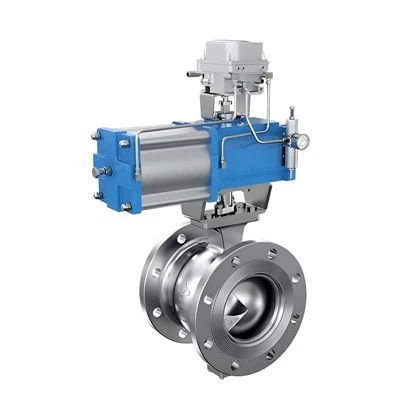
Let’s start with the basics. Solenoid valves are used to control the flow of liquids or gases in a wide range of applications, from industrial processes to home appliances. They work by using an electromagnetic coil to open or close a valve, allowing or blocking the flow of fluid.
Location, Location, Location
One of the first things to consider when installing a solenoid valve is its location. You want to place it in an area that’s easily accessible for maintenance and repair. It should also be away from sources of heat, moisture, and vibration, as these can affect the valve’s performance.
If you’re installing the valve in a hazardous environment, like a chemical plant or a petroleum refinery, you need to make sure it’s rated for that specific environment. There are special solenoid valves designed to withstand harsh conditions, so make sure you choose the right one for your needs.
Mounting
The way you mount the solenoid valve is crucial. Most solenoid valves come with mounting brackets or flanges that allow you to attach them to a pipe or a panel. Make sure you follow the manufacturer’s instructions for mounting, as improper mounting can lead to leaks or malfunction.
When mounting the valve, ensure that it’s in the correct orientation. Some valves are designed to be installed in a specific position, such as vertically or horizontally. Installing the valve in the wrong orientation can cause it to operate incorrectly or even fail.
Piping
The piping system connected to the solenoid valve is another important factor. The pipes should be the right size and material for the application. You need to make sure that the pipes are clean and free of debris before connecting them to the valve. Any dirt or particles in the pipes can damage the valve or cause it to malfunction.
It’s also a good idea to use flexible connectors between the valve and the pipes. This helps to absorb any vibrations and movements, reducing the stress on the valve and preventing leaks.
Electrical Connections
Solenoid valves are powered by electricity, so you need to make sure the electrical connections are done correctly. First, check the voltage requirements of the valve. Make sure the power supply matches the voltage specified by the manufacturer.
When making the electrical connections, use the appropriate wiring and connectors. Make sure the wires are properly insulated to prevent short circuits. It’s also a good idea to use a fuse or a circuit breaker to protect the valve from overcurrent.
Testing
Once you’ve installed the solenoid valve, it’s important to test it to make sure it’s working properly. You can do a simple test by applying power to the valve and checking if it opens and closes as expected. If the valve doesn’t operate correctly, there could be a problem with the installation or the valve itself.
If you’re not sure how to test the valve, you can refer to the manufacturer’s instructions or consult a professional. They can help you troubleshoot any issues and ensure that the valve is working correctly.
Maintenance
Regular maintenance is essential to keep your solenoid valve in good working condition. You should inspect the valve regularly for any signs of wear or damage. Check the seals, gaskets, and O-rings for leaks or deterioration. Replace any worn or damaged parts as soon as possible.
It’s also a good idea to clean the valve periodically to remove any dirt or debris that may have accumulated. You can use a mild detergent and a soft brush to clean the valve. Make sure you dry the valve thoroughly before reinstalling it.
Environmental Considerations
The environment in which the solenoid valve operates can have a significant impact on its performance and lifespan. For example, if the valve is exposed to extreme temperatures, it may cause the materials to expand or contract, leading to leaks or malfunction.
In high-humidity environments, corrosion can be a problem. You need to choose a valve that’s made of materials that are resistant to corrosion, such as stainless steel or brass. You may also need to take additional measures, such as applying a protective coating or using a dehumidifier.
Compatibility
When installing a solenoid valve, you need to make sure it’s compatible with the fluid or gas that it will be controlling. Different fluids have different properties, such as viscosity, temperature, and chemical composition. You need to choose a valve that’s designed to handle the specific fluid or gas you’re using.
For example, if you’re using a solenoid valve to control a corrosive fluid, you need to choose a valve that’s made of materials that are resistant to corrosion. If you’re using a valve to control a high-pressure gas, you need to choose a valve that’s rated for the appropriate pressure.
Safety
Safety is always a top priority when installing and operating solenoid valves. Make sure you follow all the safety guidelines and regulations. This includes wearing appropriate protective equipment, such as gloves and safety glasses, when working with the valve.
If you’re working with a hazardous fluid or gas, make sure you have the necessary safety measures in place, such as ventilation systems and emergency shut-off valves. You should also have a plan in place for dealing with any potential leaks or spills.
Well, that’s a pretty comprehensive overview of the installation requirements for solenoid valves. If you’re in the market for a solenoid valve, or if you have any questions about installation or maintenance, don’t hesitate to reach out. I’d be more than happy to help you find the right valve for your needs and provide you with all the support you need.
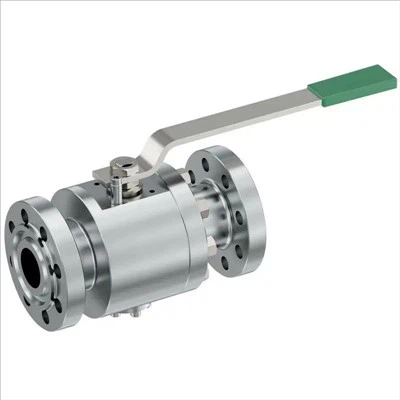
Ball Valve Let’s get the ball rolling and start a conversation about your solenoid valve requirements. Whether you’re a small business or a large industrial operation, I’m here to assist you. Contact me today to discuss your specific needs and let’s work together to find the perfect solution.
References
- "Solenoid Valve Handbook" – A comprehensive guide to solenoid valves and their applications.
- Manufacturer’s installation and operation manuals for specific solenoid valve models.
Wuxi PYNOS Flow-tech Co., Ltd.
As one of the leading solenoid valves manufacturers and suppliers in China, we offer a wide range of products with superior quality. We warmly welcome you to buy high quality solenoid valves made in China here from our factory. We also accept customized orders.
Address: Sales Center: 7th Floor, No.19 Qingyuan RD, Wuxi City, Jiangsu Prov., China
E-mail: Info@pynosvalve.com
WebSite: https://www.pynosvalves.com/
