How to Find Used Textile Machinery in Good Cosmetic Condition
As a seasoned supplier in the used textile machinery industry, I’ve witnessed firsthand the challenges and opportunities that come with finding high – quality, aesthetically pleasing used equipment. In this blog, I’ll share some insights and strategies to help you source used textile machinery that not only performs well but also has a good cosmetic condition. Used Textile Machinery
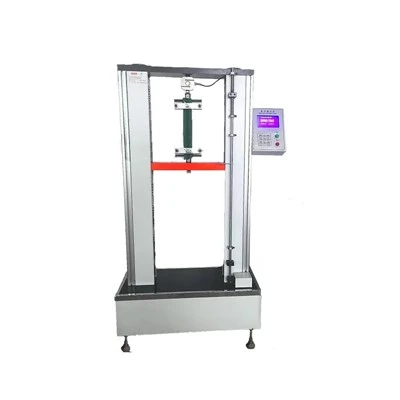
Understanding the Importance of Cosmetic Condition
Before delving into the search process, it’s crucial to understand why the cosmetic condition of used textile machinery matters. First and foremost, a well – maintained exterior is often an indicator of how well the machine has been cared for overall. A machine with a clean, undamaged exterior is more likely to have received regular maintenance, which can translate to better performance and fewer breakdowns.
In addition, if you plan to resell the machinery or use it in a production environment where the appearance matters, a good cosmetic condition can enhance the machine’s market value and professional image. For example, in a modern textile factory, having well – presented machinery can create a more efficient and organized work environment.
Research and Planning
Define Your Requirements
The first step in finding used textile machinery in good cosmetic condition is to clearly define your requirements. Consider the type of machine you need, such as spinning machines, weaving machines, or dyeing machines. Determine the specific features, capacity, and production speed that are essential for your operations. This will help you narrow down your search and focus on the machines that meet your criteria.
Set a Budget
Establishing a budget is another critical aspect of the research and planning phase. Used textile machinery can vary widely in price depending on factors such as age, brand, condition, and functionality. By setting a budget, you can avoid overspending and ensure that you’re getting a good value for your money. Keep in mind that while a machine with a good cosmetic condition may cost more upfront, it could save you money in the long run by reducing maintenance and repair costs.
Research Suppliers
Once you have a clear idea of your requirements and budget, it’s time to start researching suppliers. Look for reputable suppliers who specialize in used textile machinery. You can search online directories, industry trade shows, and forums to find potential suppliers. Check their reviews and testimonials from other buyers to gauge their reliability and customer service.
As a used textile machinery supplier myself, I understand the importance of building trust with customers. We take pride in providing high – quality machinery that meets or exceeds our customers’ expectations. We thoroughly inspect each machine before selling it to ensure that it’s in good working condition and has a decent cosmetic appearance.
Inspection and Evaluation
On – Site Inspection
Whenever possible, schedule an on – site inspection of the used textile machinery. This allows you to see the machine in person and assess its cosmetic condition firsthand. Look for signs of rust, dents, scratches, or other damage on the exterior. Check the paintwork for fading or chipping, as this can indicate age or improper storage.
During the inspection, pay attention to the machine’s components and parts. Look for loose or missing parts, as this can affect the machine’s performance and safety. Check the lubrication system and other critical components to ensure that they’re clean and well – maintained.
Test the Machine
In addition to inspecting the cosmetic condition, it’s essential to test the machine’s functionality. Ask the supplier to demonstrate the machine’s operation and run some test jobs. This will help you determine if the machine is working properly and if it meets your production requirements.
Pay attention to the machine’s noise level, vibration, and overall smoothness of operation. Any unusual noises or vibrations can be a sign of underlying mechanical problems. Also, check the machine’s speed and accuracy to ensure that it can produce high – quality textile products.
Documentation Review
Request to see the machine’s documentation, including maintenance records, service history, and manuals. This information can provide valuable insights into the machine’s past usage and maintenance. A detailed maintenance record can indicate that the machine has been well – cared for, which is often correlated with a good cosmetic condition and reliable performance.
Negotiation and Purchase
Negotiate the Price
Once you’ve inspected the machine and are satisfied with its cosmetic condition and functionality, it’s time to negotiate the price. Based on your research and the machine’s actual condition, make a reasonable offer to the supplier. Be prepared to justify your offer by highlighting any minor cosmetic issues or necessary repairs.
As a supplier, I understand that price is an important factor for buyers. We’re often willing to negotiate to reach a mutually beneficial agreement. However, keep in mind that a machine with a good cosmetic condition and a proven track record of performance may command a higher price.
Finalize the Purchase
Once you’ve agreed on the price, finalize the purchase. Make sure to get a detailed sales contract that includes the machine’s description, condition, price, payment terms, and delivery details. This will protect your interests and ensure that both parties are clear on their obligations.
Arrange for transportation and installation of the machine. If you’re not familiar with the process, consider hiring a professional installation service to ensure that the machine is installed correctly and safely.
After – Sales Support
Even after you’ve purchased the used textile machinery, it’s important to have access to after – sales support. This includes technical support, maintenance services, and availability of spare parts. A reliable supplier should be able to provide you with ongoing support to keep your machine running smoothly.
At my company, we offer comprehensive after – sales support to our customers. We have a team of experienced technicians who can provide on – site maintenance and repair services. We also maintain a large inventory of spare parts to ensure quick turnaround times in case of any breakdowns.
Conclusion
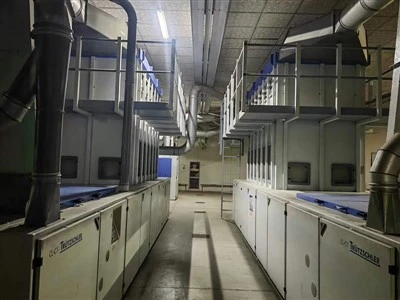
Finding used textile machinery in good cosmetic condition requires thorough research, careful inspection, and effective negotiation. By following the strategies outlined in this blog, you can increase your chances of sourcing high – quality machinery that not only looks good but also performs well.
Carding Machine If you’re in the market for used textile machinery and need assistance, I’d be more than happy to help. I have a wide range of used textile machinery in excellent cosmetic and working condition. Contact me to discuss your specific requirements and start the acquisition process.
References
- Textile Machinery Handbook: A comprehensive guide to the types, functions, and maintenance of textile machinery.
- Industry reports on the used textile machinery market, highlighting trends, supplier reputation, and pricing information.
- Personal experience and expertise in the used textile machinery industry over [number of years] years.
Shandong Hongye Machinery Co., Ltd.
Shandong Hongye Machinery Co., Ltd. is one of the most professional used textile machinery manufacturers and suppliers in China, featured by quality products and low price. Please rest assured to buy advanced used textile machinery in stock here and get quotation from our factory. Also, 1 year warranty is available.
Address: Room 1104, Building No. 2, Haier Yunjie, No. 99 Chongqing South Road, Qingdao, China
E-mail: sales@seavincn.com
WebSite: https://www.sdhymachinery.com/
