Hey there, if you’ve ever grabbed a skincare serum, foundation, or even a hair oil in a sleek, pump-style bottle that doesn’t let air get inside – chances are you’ve used an airless bottle. As a supplier who’s spent years tinkering with these things (and answering 100+ questions about how they work from brand owners and even regular folks), I get why everyone’s curious about the “secret” behind their design. It’s not magic, I promise – it’s just solid engineering that solves a super annoying problem: keeping your product fresh and every drop usable, no waste. Let’s break this down like we’re chatting over coffee, not in a boring lab manual. Airless Bottle
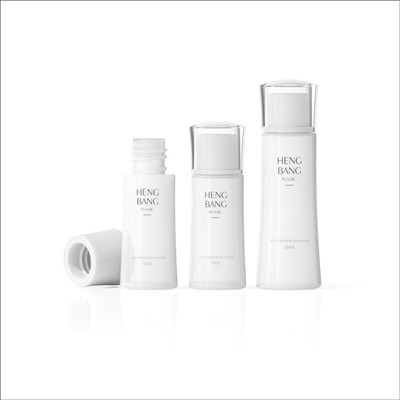
First, let’s cut through the confusion. Regular pump bottles (you know, the ones with that little tube sticking down) have a big flaw: every time you pump, air flows into the bottle to take the place of whatever product you just squeezed out. That’s how pumps work, right? But that air has bacteria, dust, and even humidity – not great for sensitive stuff like vitamin C serums, retinol, or natural oils that go rancid fast. I’ve seen brands lose thousands in product because regular bottles made their serum go bad before they sold out. Airless bottles fix that completely. That’s their whole superpower.
So what’s the core design principle here? It’s all about creating a closed system that only moves product out, never air in. There are two main types of airless bottles we work with every day, and both follow that rule – they just go about it a little differently. Let’s start with the most common one, which is the one you probably recognize: the piston-style airless bottle. This is what we supply most of, because it’s versatile for every product type from lightweight serums to thick moisturizers.
Here’s how the piston design works, super simplified: imagine a bottle that has two parts. The outer shell is the rigid plastic or glass you see (that’s the pretty part for branding, right?), and inside it, there’s a second, flexible bag or a sliding piston. The product sits in that inner chamber, between the piston and the pump head at the top. When you pump the dispenser, it doesn’t let air in at all. Instead, the pump pulls the product straight from that inner chamber, and as you use more product, the piston slides down to fill the space that was just taken up. No air, no bugs, no oxidation. I like to think of the piston like a toilet plunger – when you pull up the handle (that’s the pump action), it pushes the plunger (the piston) down, squeezing out whatever’s in the cup. Except here, there’s no water leftover, and no air getting in.
Wait, let’s get a little more specific so you get why this actually works, not just a vague analogy. The pump component has a one-way valve system. Think of valves like doors – they only open one way. When you press the pump head, the inner valve opens to let product flow out through the nozzle, and at the same time, that action pushes the piston down a tiny bit, because the product has to go somewhere. The second valve, between the outer shell and the inner chamber, stays closed during this step, so air can’t slip in. When you release the pump head, the valve at the nozzle closes, and the second valve opens to let the piston reset to its original position – but this only pulls product from the inner chamber, not air from outside. That’s the key to no air getting in, ever.
The other type is the bag-style airless bottle, which is more common for really thin products like facial mists or lightweight essences, because the bag is extra flexible. Instead of a sliding piston, there’s a thin plastic bag that holds the product completely separate from the outer bottle wall. When you pump, the bag collapses inward, pushing product out, and since the bag is sealed, no air ever touches it. The downside to bag styles is they don’t work great for super thick creams – the bag needs to be flexible enough to collapse, so viscous products can get stuck and leave a few drops behind. That’s why we stick mostly to piston bottles, but we do offer bag options for brands that need them.
Now, why is this design actually important, not just a fancy marketing trick? Let’s talk about shelf life first. I mentioned oxidation earlier – that’s when product reacts with oxygen in the air, which breaks down active ingredients. For example, vitamin C is super unstable, and regular bottles can cut its shelf life from 6 months to 2 months. Airless bottles keep vitamin C intact for up to 12 months, no problem. We tested this with a client last year – they switched from a regular pump to our piston airless bottle, and their return rate for spoiled serum dropped by 80%. That’s huge for brands, and for consumers who don’t want to throw away half a bottle of expensive serum because it went bad.
Then there’s waste. I’m not just saying this because we sell these – think about how many times you’ve twisted a regular bottle upside down, shaken it, to get that last little drop of cream that’s stuck in the bottom. With an airless piston bottle, that never happens. The piston slides all the way down to the bottom of the inner chamber, so you get every single drop. I’ve seen people do tests: a 30ml airless bottle has about 28ml usable product, whereas a regular pump has 22ml, because of all the product left at the bottom. For a $50 serum, that’s $15 saved per bottle. Multiply that by 10,000 units, and that’s a big cost savings for brands too.
But wait, there’s a catch to this design that a lot of new brand owners don’t think about – and it’s something we have to warn everyone about when they order. Airless bottles aren’t like regular bottles when it comes to filling. You can’t just pour product into the outer shell, because the inner piston chamber is separate. You have to fill the inner part, or if you’re using a bag-style, the bag gets filled first. If you mess up filling, you can get air bubbles trapped in the chamber, which make the pump not work at all. Also, the plastic has to be food-grade (or cosmetic-grade, obviously) because the product is touching every part inside – no cheap, leaching plastic here, that’s a non-negotiable for our products.
Another thing that people don’t realize: the size of the piston or the pump is calibrated exactly for the product’s viscosity. A thick night cream needs a different pump nozzle size than a lightweight toner, because you need enough pressure to push the thick product out without making the user pump 10 times. We work with each brand to adjust that – if someone sends us a sample of their product, we can tweak the piston design to make sure it works perfectly, no clogging, no under-dispensing. I had a client last month who tried to use a standard piston for their 10% retinol serum, and it kept clogging because the retinol made the product thicker than they thought. We adjusted the valve size, and it worked like a charm.
Now, let’s get into some common myths I hear all the time, because I get asked about this every single week. First myth: airless bottles are only for luxury products. No, they’re for any brand that cares about product integrity. We make 15ml travel sizes for drugstore brands, 50ml pumps for mid-range skincare, and even 200ml versions for body lotions. It’s not about price, it’s about keeping your product good. Second myth: airless pumps are hard to recycle. That’s a valid concern, but a lot of suppliers (including us, actually) are making recyclable airless bottles now. We use mono-material plastic for most of our bottles, so you can take the pump apart (the manufacturer’s website has instructions) and recycle the plastic parts, or send them back to us for free recycling programs. We know sustainability is big for brands, so we’ve put a lot of work into that.
Third myth: you can’t put active ingredients in airless bottles. Total lie. The whole point is that they protect active ingredients from air, so they’re actually better for retinol, vitamin C, hyaluronic acid, everything. I’ve worked with brands that have 5% niacinamide, copper peptides, all kinds of sensitive actives, and they all work perfectly in our airless bottles. The only time you have to be careful is if your product has really fine particles, like some exfoliants with microbeads – you just need a larger nozzle to prevent clogs, which we can adjust.
So if you’re a brand owner reading this, or even just someone who’s curious about why your favorite serum bottle feels so sleek, the principle behind airless design is simple: keep air out, keep product in, and make sure every drop gets used. It’s not some complicated tech that only engineers get, it’s a smart solution to a problem that’s been bugging product makers for decades. The best part? It doesn’t have to be expensive – we offer competitive pricing for every size, from small startup orders to bulk runs for big brands.
If you’re thinking about switching to airless bottles for your product, or just have questions about how the design works for your specific item, hit us up. We can send free samples, walk you through the filling process, and tweak the design to fit your product perfectly. No pressure, just straight answers, because we’ve been doing this long enough to know that the best partnerships come from being honest about what works and what doesn’t.
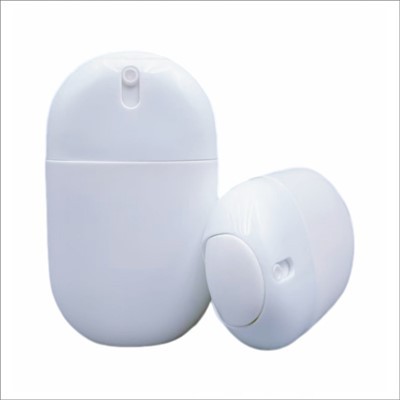
At the end of the day, airless bottle design is all about solving real problems: wasted product, spoiled ingredients, frustrated customers who can’t get the last drop. That’s why we’re in this – not just selling bottles, but helping brands make products that work as well as they’re supposed to, from the first pump to the last.
PETG Lotion Bottle References
- International Safe Cosmetics Association. (2022). Packaging and Shelf Stability of Cosmetic Formulations: The Role of Oxygen Barriers.
- Plastics Industry Association. (2023). Mono-Material Packaging for Sustainable Airless Bottle Solutions.
- Journal of Cosmetic Science. (2021). Aerosol-Free Dispensing Systems: Oxidation Inhibition in Active Ingredient Formulations.
- Personal Care Products Council. (2022). Best Practices for Filling Airless Packaging to Avoid Product Waste and System Failures.
Yuyao Hengbang Plastic Products Co., Ltd.
As one of the most professional airless bottle manufacturers and suppliers in China, we’re featured by quality products and good service. Please rest assured to wholesale bulk customized airless bottle at competitive price from our factory.
Address: No. 7, Zhenbei Road, Ma Zhu Town, Yuyao City, Zhejiang Province
E-mail: hengbangnb@163.com
WebSite: https://www.yyhengbang.com/
