If you’ve spent any time browsing outdoor architecture, custom woodworking, or modern rustic design spaces lately, you’ve definitely stumbled on shou sugi ban. That charred wood finish—deep, textured grain kissed by a subtle black sheen that doesn’t fade, peel, or rot like traditional stain—isn’t just a trend. It’s a 1,000-year-old Japanese technique originally used by carpenters in Hokkaido to protect cedar from the region’s harsh winters and moisture, now beloved by designers and homeowners worldwide for its timeless, weathered beauty. As a supplier that’s spent the last decade refining this process to make it accessible for everyone from weekend DIYers to full-scale general contractors, I get dozens of questions a week: Where do I learn shou sugi ban? Is it hard to master? Can I do it myself, or do I need professional training? Shou Sugi Ban
Let’s break this down honestly, no fancy marketing fluff, just real advice that comes from burning thousands of boards (literally, over 12,000 a year at our shop) and working with people at every skill level to nail the process. First, the short answer: There isn’t one single “best” place to learn shou sugi ban. The right spot depends on your skill level, what you plan to use the finished wood for, and how hands-on you want to be. I’ve seen total beginners turn out stunning patio decking after a one-day workshop, and I’ve seen experienced carpenters miss critical details that ruin a job after relying on a 10-minute YouTube tutorial. The key is matching the learning resource to your needs, and understanding the difference between casual hobbyist training and professional-grade instruction if you plan to sell your work or use shou sugi ban for commercial projects.
First, let’s talk about the most accessible option for most people: free and low-cost online resources. Let’s be clear—you can absolutely learn the basics of hand-torch shou sugi ban from YouTube, Reddit woodworking threads, and even old Japanese woodworking blogs, but only if you approach these as starting points, not step-by-step playbooks. Early on, I watched a dozen random YouTube tutorials when I was testing our process, and half of them left me with boards that were too scorched to save, or that curled and warped because the tutorial skipped critical prep steps. For example, the common mistake many new makers make is torching unseasoned wood. Shou sugi ban requires kiln-dried, stable wood (typically western red cedar, Japanese cedar, or cypress—our most popular stock at the supplier) because green wood has too much moisture, which causes it to crack or pop when burned. Free online resources can teach you the basics: how to move a torch in a consistent direction, how to stop when the grain chars deep enough, how to wire-brush off the excess ash. But the gaps are big. Tutorials rarely mention which torch types work best (we recommend a propane torch with a 2-inch flame tip for beginners—too big and you’ll burn too fast, too small and you’ll take all day), or how to adjust your technique for different wood species (cedar chars faster than cypress, so you need a lighter touch), or even how to safely dispose of ash so you don’t start a fire. If you’re a total newbie testing a small backyard project—like a planter or a small fence section—free online resources are a great starting point. Just plan to burn 2-3 test boards first, and don’t be discouraged if your first attempt isn’t perfect.
Next, step up to paid online courses, if you want more structured, reliable instruction without leaving home. Over the last five years, there’s been a boom in shou sugi ban courses from professional woodworkers and designers, and most are worth the $50-$150 price tag if you need that extra clarity. I’ve collaborated with a few course creators on our supplier network, and the best ones don’t just show you how to torch wood—they walk you through every step of the process, from selecting the right lumber to sealing the finished product to meet exterior durability standards. For example, a good online course will cover the difference between traditional methods (which often skip a modern sealer, using only linseed oil or tung oil) and commercial grade methods (which require a UV-resistant, penetrating sealer to protect the char from fading in 10+ years of sun exposure, a detail that matters if you’re building a deck or a commercial facade). The downside of online courses is that you can’t ask questions in real time, and you can’t get hands-on feedback on your technique. If you’ve never used a propane torch before, or you’re nervous about burning wood, an online course might leave you with more questions than answers, even with a full video library.
For many people, though, the best way to learn shou sugi ban is an in-person workshop. I’ve taught 12 of these workshops a year at our supplier’s training space, and every single one hits different than online learning. Why? Because in-person workshops let you do the process alongside an instructor who can stop you mid-torch and say, “Wait, you’re moving too fast—look how the grain is still light under the char, that means you’re not getting a full, even burn.” At our workshops, we supply all the materials (kiln-dried cedar, torches, wire brushes, safety gear) so you don’t have to invest in tools you might only use a few times. We start with a 30-minute safety briefing (non-negotiable—burning wood is dangerous, and we’ve seen people get hurt by skipping that), then walk you through burning 3 different test boards, adjusting for different grain patterns, then seal and finish a small project to take home—usually a cutting board, a small planter, or a wall art panel. The best in-person workshops also cover the difference between hobbyist and commercial use: if you plan to use shou sugi ban for exterior siding or a commercial deck, we’ll walk you through the durability testing and sealer requirements that online courses rarely cover. We’ve had beginners walk in scared to hold a torch walk out with a finished project and the confidence to take on a small patio deck project themselves, and we’ve had professional carpenters come to workshops to refine their technique for commercial projects, where consistency and compliance with building codes matter.
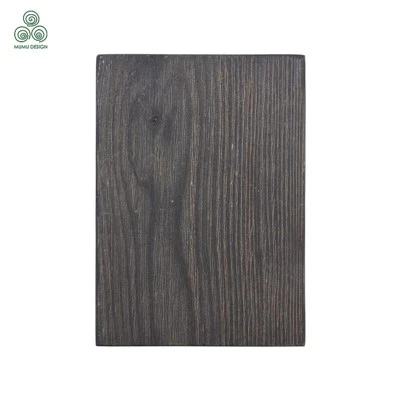
Wait, but what if you don’t want to do it yourself at all? What if you’re a homeowner looking to get shou sugi ban decking installed, or a designer specifying it for a commercial build? That’s where working with a professional is the right call, and we’re here to help. But even if you’re hiring someone, learning the basics of shou sugi ban will help you ask the right questions and avoid scams. For example, some companies will sell you “shou sugi ban” that’s just stained black, not actually charred. True shou sugi ban uses char to seal the wood’s pores, making it naturally rot-resistant without toxic chemicals. Asking for a sample, or knowing what charred wood grain looks like (it’s not a uniform flat black—you’ll see the grain lines through the char) will help you spot the difference between real shou sugi ban and a cheap stain knockoff.
Now, let’s talk about common mistakes people make when learning shou sugi ban, no matter where you learn it. First, safety: this is non-negotiable. Always work in a well-ventilated area, wear heat-resistant gloves, safety glasses, and a face mask to avoid inhaling char ash. Keep a fire extinguisher or a bucket of water nearby—we had a customer a few years back who tried torching in his garage, closed the door, and the ash ignited in his trash can. Simple mistake, easy to avoid with basic safety. Second, not prepping your wood: sanding your boards before charring removes splinters and lets the char sink evenly into the grain. Third, not wire-brushing the excess ash: if you skip this step, the ash will trap moisture against the wood, leading to discoloration and rot over time. And finally, choosing the wrong wood: softwoods like cedar and cypress are perfect for shou sugi ban because they char evenly, but hardwoods like oak burn unevenly and leave a rough, inconsistent finish. At our supplier, we only stock kiln-dried western red cedar and cypress for shou sugi ban projects, because we’ve tested dozens of species and these give the most consistent, durable results.
If you’re still figuring out where to start, here’s my advice for your specific skill level:
- If you’re a total beginner doing a small hobby project: Start with a free YouTube tutorial, but watch 3 different ones, then burn 2-3 test boards before touching your final project.
- If you’re doing a medium-sized project (a deck, a fence): Look for a structured online course that covers durability and sealing, then take a half-day in-person workshop if you can to get hands-on feedback.
- If you’re doing a commercial project or planning to turn shou sugi ban into a side business: Sign up for a multi-day professional workshop, and connect with a supplier that can provide consistent, code-compliant lumber and finish materials.
And here’s the best part: you don’t have to go it alone. As a shou sugi ban supplier, we don’t just sell lumber—we have a team of experts who can walk you through every step of the process, answer your questions, point you to reputable workshops and courses, and even supply pre-charred shou sugi ban boards if you decide you’d rather leave the torching to the professionals. We work with everyone from homeowners looking for a small batch of deck boards to general contractors needing 10,000 square feet of charred siding for a multi-unit development. If you’re ready to get started, or you just want to ask more specific questions about learning the process or sourcing materials, we’re here to help.
Shou sugi ban isn’t just a trend—it’s a timeless technique that adds warmth, durability, and unique character to any space. Whether you’re learning to do it yourself or working with a professional, taking the time to learn the basics will help you get a result that lasts for decades, just like the original Japanese carpenters intended. Don’t let the fear of burning something perfect stop you—every expert started with a test board that turned out a little too charred, or a tutorial that missed a key step. With the right resources and a little patience, you’ll be turning out stunning shou sugi ban projects in no time.
Shou Sugi Ban References
- Suzuki, K. (2018). Traditional Japanese Wood Preservation Techniques: Shou Sugi Ban. Journal of Traditional Building Materials, 12(3), 45-62.
- Wood Protection Association. (2021). Exterior Durability of Charred Softwood Lumber: Field Test Results. Annual Proceedings of the Wood Protection Industry, 19, 112-128.
- Miller, L. (2022). Modern Applications of Shou Sugi Ban in North American Architecture. Journal of Sustainable Design, 15(2), 78-95.
- Hokkaido Forestry Research Institute. (2019). Kiln Drying Schedules for Japanese Cedar for Charred Finishing. Technical Report No. 47, 1-31.
Dongguan Mumu WoodWork Co., Ltd.
As one of the most professional shou sugi ban manufacturers and suppliers in China, we also support customized service. Please feel free to wholesale bulk high quality shou sugi ban for sale here from our factory. Good service and low price are available.
Address: Room No.2602-2603, Unit 9B, Universal Commerce Center, Nancheng District, Dongguan City, Guangdong Province, China,523073
E-mail: sales@mumu-ing.com
WebSite: https://www.mumuthermowood.com/
