As a seasoned supplier in the drone battery industry, I’ve encountered numerous inquiries regarding the optimal method for charging drone batteries intended for long-term storage. After years of in-depth research, hands-on experience, and close collaboration with industry experts, I’m excited to share my insights on this crucial topic. Drone Battery
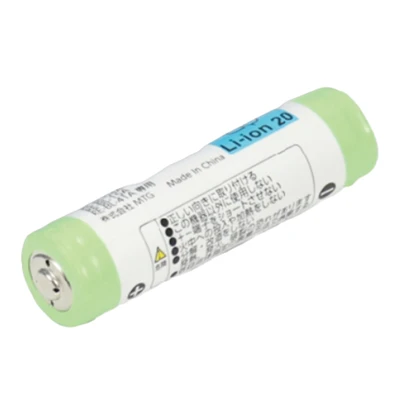
Understanding the Importance of Proper Storage Charging
Many drone enthusiasts overlook the significance of correctly charging their batteries before long-term storage. Improper storage charging can lead to a range of issues, including reduced battery lifespan, capacity degradation, and even safety hazards. When a drone battery is left at a high or low state of charge for an extended period, it can cause irreversible chemical reactions within the battery cells, ultimately compromising its performance.
Ideal State of Charge for Long-Term Storage
The ideal state of charge (SOC) for storing lithium-ion drone batteries is between 40% and 60%. This range helps to minimize stress on the battery cells and slow down the rate of self-discharge. When a battery is stored at a high SOC, it is more prone to overheating and thermal runaway, which can lead to battery failure and potential safety risks. On the other hand, storing a battery at a low SOC can cause the battery cells to become irreversibly damaged, resulting in reduced capacity and performance.
Step-by-Step Guide to Charging Drone Batteries for Long-Term Storage
Charging a drone battery for long-term storage requires a systematic approach to ensure optimal results. Here’s a step-by-step guide to help you charge your drone batteries safely and effectively:
-
Check the Battery’s Current State of Charge: Before charging your drone battery for long-term storage, it’s essential to check its current SOC. Most modern drones come with a battery indicator that shows the remaining charge level. If you don’t have a battery indicator, you can use a battery charger with a built-in SOC display to check the battery’s charge level.
-
Select the Right Charger: Using the right charger is crucial for charging your drone battery safely and effectively. Make sure to use a charger that is specifically designed for your drone battery model. Using an incompatible charger can cause overcharging, overheating, and other safety hazards.
-
Charge the Battery to the Ideal SOC: Once you’ve determined the battery’s current SOC and selected the right charger, it’s time to charge the battery to the ideal SOC. Most battery chargers allow you to set the desired SOC level. Set the charger to charge the battery to between 40% and 60% SOC.
-
Monitor the Charging Process: While the battery is charging, it’s important to monitor the charging process closely. Make sure to check the charger’s display regularly to ensure that the battery is charging at the correct rate and that the SOC level is approaching the desired range. If you notice any abnormal behavior, such as overheating, excessive noise, or a sudden change in the charging rate, stop the charging process immediately and consult the battery manufacturer’s instructions.
-
Discharge the Battery if Necessary: If the battery’s SOC is higher than the ideal range, you may need to discharge the battery to bring it down to the recommended level. Some battery chargers come with a discharge function that allows you to discharge the battery safely and accurately. Alternatively, you can use a dedicated battery discharger to discharge the battery.
-
Store the Battery in a Cool, Dry Place: Once the battery is charged to the ideal SOC, it’s time to store it in a cool, dry place. Avoid storing the battery in direct sunlight, near heat sources, or in damp environments. A temperature range of 20°C to 25°C (68°F to 77°F) is ideal for storing lithium-ion batteries.
Additional Tips for Long-Term Battery Storage
In addition to charging the battery to the ideal SOC and storing it in a cool, dry place, here are some additional tips to help you maintain the health and performance of your drone batteries during long-term storage:
-
Keep the Batteries in a Safe Container: To prevent damage to the batteries during storage, it’s important to keep them in a safe container. You can use a battery case or a storage bag specifically designed for drone batteries. Make sure the container is well-ventilated and provides adequate protection against impact and vibration.
-
Check the Batteries Regularly: Even when stored properly, lithium-ion batteries can self-discharge over time. To prevent the batteries from discharging below the recommended level, it’s important to check them regularly. At a minimum, you should check the batteries every three months and recharge them to the ideal SOC if necessary.
-
Avoid Over-Discharging the Batteries: Over-discharging a lithium-ion battery can cause irreversible damage to the battery cells, reducing the battery’s capacity and lifespan. To avoid over-discharging the batteries, make sure to monitor the battery level during use and recharge the batteries before they reach a low SOC.
-
Follow the Manufacturer’s Instructions: Different drone batteries may have different charging and storage requirements. To ensure the best possible performance and lifespan for your batteries, it’s important to follow the manufacturer’s instructions carefully. Make sure to read the battery manual and follow the recommended charging and storage procedures.
Why Choose Our Drone Batteries
At our company, we take pride in providing high-quality drone batteries that are designed to meet the needs of professional and recreational drone users. Our batteries are manufactured using the latest technology and highest-quality materials, ensuring reliable performance and long-lasting durability.
In addition to our commitment to quality, we also offer a range of services to help our customers get the most out of their drone batteries. Our team of experts is available to provide technical support and advice on battery charging, storage, and maintenance. We also offer a warranty on all of our batteries, giving you peace of mind knowing that your investment is protected.
If you’re in the market for a new drone battery or looking to upgrade your existing batteries, we invite you to contact us to learn more about our products and services. Our team of experts will be happy to answer any questions you may have and help you find the perfect battery for your needs.
In conclusion, charging a drone battery for long-term storage requires careful consideration and attention to detail. By following the steps outlined in this blog post and implementing the additional tips and recommendations, you can help to ensure the health and performance of your drone batteries during long-term storage. Remember, proper battery charging and storage not only extends the lifespan of your batteries but also enhances the safety and reliability of your drone.
Drone Battery If you have any further questions or need more information on drone battery charging and storage, please don’t hesitate to reach out. We’re here to help you get the most out of your drone batteries. Contact us today to start a conversation about your battery needs and explore our range of high-quality products.
References
- Battery University. (n.d.). How to Prolong Lithium-based Batteries. Retrieved from Battery University website.
- Drone Manufacturers’ Manuals. Various drone battery manufacturers’ official manuals providing guidelines on battery charging and storage.
Zhuhai Greaton Electronic Technology Co., Ltd.
As one of the most professional drone battery manufacturers and suppliers in China, we have world-leading production equipment and strong manufacturing capabilities. Please rest assured to wholesale advanced drone battery in stock here from our factory. Customized orders are welcome.
Address: 2nd Floor, Building A3, No. 6, Liulu, Xinqing Science and Technology Industrial Park, Jing’an Town, Doumen District, Zhuhai City
E-mail: wangchen1@psbattery.cn
WebSite: https://www.cngreaton.com/
