If you’ve ever stood in the middle of a busy kitchen at 7 a.m. trying to slide a piping hot batch of oatmeal into a takeout bowl, you know the small, messy chaos that comes with food service or even daily home meal prep. I’m a food bowls supplier, so I deal with this stuff every single day—talking to restaurant owners, catering managers, and even regular folks who just want their weekly meal prep bowls to not turn into a soggy, lopsided mess when they pour hot soup or warm pasta into them. The question I get more than any other, though, is this: do food bowls really need to be heat-resistant? Food Bowls
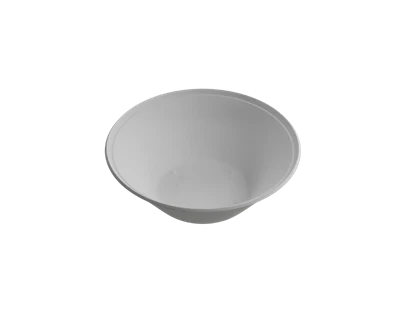
Let me start by breaking this down like I would with a new client who just bought their first 100 takeout bowls. Heat resistance isn’t just a fancy buzzword—it’s about how a bowl holds up to temperatures way above what your hand can comfortably touch, and sometimes even below, depending on what you’re using it for. I’ve seen bowls warp so bad you can’t stack them after one run through a commercial microwave. I’ve seen soup bowls crack so bad they leak all over a customer’s laptop. I’ve even had a client who had to throw out a whole 500-unit order because the bowls melted a little when they were used in a convection oven for a batch of baked mac and cheese. That’s $1,200 down the drain, no joke. So yeah, this isn’t trivial. It’s not like a coffee mug, where you might get a little condensation on your hands. Food bowls are doing heavy lifting, both hot and cold.
First, let’s talk about the hot side, because that’s where most people run into problems. A lot of folks think “heat-resistant” only applies to microwaves, but that’s just the tip of the iceberg. Think about what a typical bowl might face: hot soup (sometimes 180°F or higher), pasta sauce fresh off the stove at 200°F+, even baked meals that go into a 350°F oven for 20 minutes before being wrapped and delivered. Non-heat-resistant bowls, the ones you might find at a dollar store or a cheap supplier that doesn’t test their materials, are usually made with plastics that leach weird stuff when heated, paper that gets soggy and falls apart, or thin cardboard that crumbles. I’ve had so many people come to me after a bad experience with those cheap options. One guy owned a pizza place and told me his “disposable bowls” for pepperoni pasta were getting so soft when he put them in the microwave that customers were complaining about holding the bag because the bowls leaked through. That’s a lost customer, a bad review, and a headache you don’t need.
Science time, keep it simple. Most food containers are made from either plastic, paper, foam, or plant-based materials. Heat resistance is all about the material’s glass transition temperature—that’s the point where a solid material starts to soften and deform. For example, standard polystyrene foam (the kind that feels lightweight and cheap) has a glass transition temperature around 212°F, which is boiling water. So if you put water that’s 190°F into it, it’s fine, but anything hotter, or heating it up in the microwave to 215°F, it starts to melt. That’s when you get that weird slimy residue on your food, or the bowl caves in. Then there’s paper bowls: most uncoated paper has a glass transition temperature around 160°F, so hot soup will soak through the coating and turn the paper mushy. Even paper with a thin plastic coating—if that coating’s not rated for high heat, it will leach chemicals when heated. I remember testing a random batch of paper bowls a client brought to me once; the coating started breaking down at 175°F, which is just a little hotter than regular soup. The client had no idea, and he’d been using them for six months. Yikes.
Now, for the other side—wait, heat resistance isn’t just for hot stuff. A lot of people forget that. If you’re using bowls for frozen meals, salad with icy toppings, or even ice cream, you need cold resistance too. That’s basically the opposite of heat resistance: how well a material holds up at freezing temperatures, no cracking or brittling. I had a catering client last year who was prepping frozen meal prep bowls with raw chicken and veggies, then storing them in a commercial freezer at 0°F. She used cheap bowls that cracked every time she stacked a dozen, so she ended up with 200 bowls full of food that were unusable. Talk about a waste. So heat resistance (and cold resistance, too) directly ties to the bowl’s durability, food safety, and your bottom line.
Let’s get real about why this matters for regular people too, not just restaurants. If you’re a college student microwaving ramen in a cheap bowl, or a parent packing a hot lunch for your kid, a non-heat-resistant bowl could mean a mess at best, and at worst, food safety issues. I’ve had a couple of moms email me (yeah, I answer all my emails, no automated stuff) saying their kid’s lunch bowl melted a little when they heated up spaghetti, and they were worried about what that did to the food. That’s the kind of conversation that makes me double down on testing every bowl I sell. I only stock bowls that are tested to withstand up to 400°F in ovens and up to -20°F in freezers, and are BPA-free, no weird chemicals leaching. Because at the end of the day, food bowls touch your food, so they’ve got to be safe, not just cheap.
Wait, I know what some of you are thinking. “But I can get non-heat-resistant bowls super cheap! Why pay more?” Let’s do the math here. A bulk order of 1,000 cheap, non-heat-resistant bowls might cost you $50. A heat-resistant order is $80. But if you use the cheap ones, you’re looking at: warped bowls that can’t be stacked, so you have to store twice as much space; soggy bowls that leak during delivery, so you get bad reviews or returns; bowls that leach chemicals, leading to health concerns. I’ve seen a food truck owner go through 2,000 cheap bowls in three weeks because half of them were unusable. That’s $100 down the drain in three weeks, instead of $80 for 1,000 heat-resistant bowls that last twice as long. So yeah, paying a little more upfront saves you way more in the long run.
I also get a lot of questions about plant-based bowls, since that’s a big trend right now. A lot of people think plant-based = heat-resistant, but that’s not always true. Some plant-based bowls are made with a thin coating that breaks down at high heat, same as regular paper. When I test plant-based bowls, I check if they’re compostable AND heat-resistant—because if you’re going for eco-friendly, you don’t want a bowl that falls apart before you even use it. I’ve had customers who switched to plant-based bowls and complained that they couldn’t use them in the microwave, so they came back to me for heat-resistant plant-based options. That’s another key point: heat resistance doesn’t have to mean plastic or foam. There are great, eco-friendly heat-resistant bowls out there, you just have to know what to look for.
Let me share a couple of quick stories that drive this home. Last month, a small café ordered 500 bowls for their new loaded baked potato bowls—they were going to bake the potatoes right in the bowls, then serve them. They used a cheap supplier’s bowls, and when they put them in the oven at 375°F, half of the bowls warped so bad they couldn’t fit on the shelf. The whole batch of potatoes was ruined, and they had to refund 50 customers. They came to me, and we went with our high-heat resistant bowls, which work perfectly in their oven. Now they tell me they get way fewer complaints, and their food looks way better because the bowls don’t warp. Another story: a customer used our heat-resistant bowls for cold ice cream sundaes, and they didn’t crack in the freezer, so she can stack them for her family’s meal prep. That’s exactly what I want for every customer.
So let’s wrap this up, no fancy jargon. Do food bowls need to be heat-resistant? Absolutely—for every part of your life, whether you’re a restaurant owner, a caterer, a parent, or just someone meal prepping at home. Heat resistance means your bowls don’t warp, don’t leak, don’t break, and don’t leach chemicals. It saves you money, saves you hassle, keeps food safe, and makes your food look way better (no lopsided, melted bowls on Instagram, trust me).
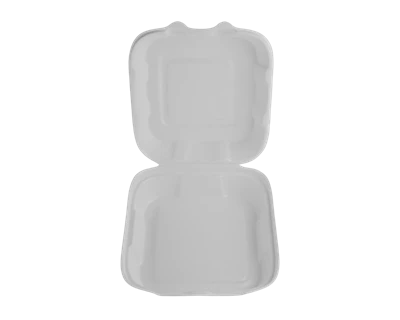
If you’re in the market for heat-resistant food bowls, whether for a small café, a big catering company, or just for your home meal prep, I’m here to help. I stock a huge range of bowls, all tested for heat and cold resistance, BPA-free, and eco-friendly options too. We’ve got sizes for everything from tiny side bowls to large meal prep bowls, and we can help you find the right fit for your needs. Just reach out to my team to chat about your requirements, and we can put together a custom quote or sample order for you. Don’t settle for cheap bowls that end up costing you more in the long run—get bowls that work as hard as you do.
Food Bowls References:
- U.S. Food and Drug Administration. (2022). Food Contact Materials: Substances That May Safely Contact Food.
- American Chemical Society. (2021). Glass Transition Temperatures of Common Food Packaging Materials.
- National Restaurant Association. (2020). Disposable Food Service Packaging Best Practices.
- Compost Manufacturing Alliance. (2022). Heat Resistance Standards for Compostable Food Containers.
Bio Earth Technology Co., Ltd.
As one of the most professional food bowls manufacturers and suppliers, we also support customized service. Please feel free to buy bulk high quality food bowls for sale here from our factory. For quotation and free sample, contact us now.
Address: No. 8-3, Baixi, 2nd Neighborhood, Tongxiao Township, Miaoli County 357001, Taiwan (R.O.C.)
E-mail: Services@bioearthtech.com
WebSite: https://www.bioearthtech.com/
