If you’ve ever stood next to a reheating furnace during a steel mill turnaround, you know those parts don’t just “wear out”—they get put through the wringer: extreme heat, constant thermal shock, abrasive scale, and even heavy metal billets slamming into them day after day. As a supplier of these heat-resistant wear spares, I’ve seen way too many mills grab any old high-temp part off a shelf only to watch it crack, spall, or disintegrate within weeks. Matching the right part to each furnace zone isn’t just a nice-to-have—it’s how you cut downtime, lower maintenance costs, and keep production running smoothly. Reheating Furnace Heat Resistant Wear Spare Parts
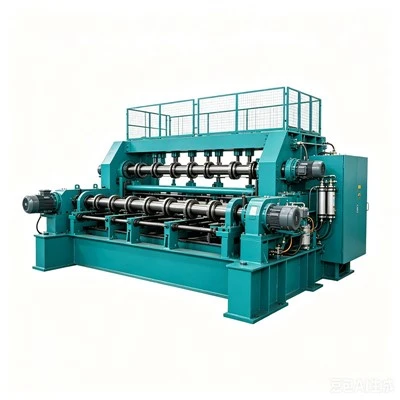
First off, let’s break down a reheating furnace into its main zones because one size definitely doesn’t fit all. Most modern reheating furnaces have three core areas: the preheating zone, the heating zone, and the soaking zone. Each zone has a totally different set of stressors, so your spare parts need to be built for exactly what they’re going through, not what worked in another zone.
The preheating zone is the coolest (relatively speaking) part of the furnace. Here, raw steel billets come in from the yard and start their heat-up process, so temps here usually hover around 500°C to 800°C. That’s not “red hot” territory, but this zone has its own unique challenges. For one, it’s exposed to outside air and sudden temperature swings every time the furnace cycles on or off. You’ll also get a lot of abrasive scale flaking off the incoming billets, which gets blown around by the furnace’s airflow and grinds against any surfaces or guides in this zone.
A lot of mills make the mistake of using super expensive, ultra-high-performance parts here just because they can, but that’s a waste. For preheating zone wear spares, you want something that balances heat resistance with resistance to abrasive wear and thermal shock. I recommend parts made from chrome-magnesite brick or high-alumina castables (around 70-85% alumina) with a low porosity. Wait, let me explain why porosity matters here—porous parts hold onto moisture, right? When temps spike or drop, that moisture expands quickly and causes cracks. Low porosity means fewer gaps for moisture, so they handle thermal cycling way better. Also, the chrome in chrome-magnesite gives extra protection against scale abrasion, which is king here. I’ve seen mills switch from plain high-alumina parts to chrome-magnesite in the preheating zone and extend part life by 30% easily.
Next up is the heating zone, where the real heat ramps up—this is where you get the steel to its forging temp, so temps here range from 1000°C to 1300°C. This is the middleman, so parts here have to put up with both the lower preheating temps just upstream and the super hot soaking zone right next door. The stress here is way more intense than the preheating zone: constant high heat, rapid temperature changes as the furnace adjusts for billet size shifts, and even some contact with hot, semi-soft steel as it moves through.
So what works here? You need parts that can handle sustained high heat and thermal shock, and also resist any slight metal contact that might happen. Most of the time, high-purity alumina-zirconia composites are the way to go here, or even silicon carbide (SiC) parts if your heating zone runs extra hot. Wait, SiC is great because it has super high thermal conductivity, so it spreads heat evenly instead of hot spots forming and causing cracks. But a heads up: SiC doesn’t do great if it’s exposed to too much moisture or slag, so only use it here if your heating zone is pretty tightly controlled and low-slag. For most mills, alumina-zirconia is the sweet spot—zirconia adds flexibility, so when the metal expands and contracts with temp shifts, the part bends a little instead of snapping. I worked with a mill last year that was cracking 12 heating zone guides every month until we switched them to alumina-zirconia; they went 4 months without a replacement, and their maintenance bill went down by nearly $15k that quarter.
Then there’s the soaking zone—the hottest part of the furnace, where billets are held at a consistent forging temp (usually 1200°C to 1400°C) to make sure they’re uniform all the way through. This is where parts face the worst conditions by a mile: sustained peak heat, heavy loads of hot steel billets sitting directly on or sliding against them, and even slag buildup that eats away at material over time. Slag is a big one here—slag is that goopy, glassy stuff that forms when steel impurities mix with furnace gases, and it can chemically react with parts if the material isn’t resistant to it.
For the soaking zone, you need something that’s built for long-term exposure to max heat and chemical resistance against slag. Let’s be real here, you can’t skimp on this part. Magnesia-chrome brick is the industry standard here, and for good reason—it can handle temps up to 1600°C, resists slag penetration way better than any alumina-based part, and has excellent high-heat strength. Wait, but I should mention a caveat: newer low-chrome or chrome-free magnesia materials are picking up steam these days, especially as mills look to cut down on chrome use for environmental reasons. But if your soaking zone is super intense, stick to the tried-and-true magnesia-chrome—they just don’t wear out as fast. I’ve had a mill tell me their soaking zone hearths with magnesia-chrome lasted 18 months, vs. 8 months with a low-chrome alternative. That’s a huge difference for turnaround time.
Now, it’s not just about temperature—there are other factors that mess up the matching process, and I see mills sleep on these all the time. First is the type of part you’re dealing with: are you lining the furnace walls, the hearth floor, the billet guides, the skid rails that hold the billets? Skid rails, for example, are a whole different ball game. They’re the parts that actually touch the steel billets, so they get both extreme heat and heavy mechanical wear. I’ve seen skid rails made of regular brick warp under the weight of a 2-ton billet at 1300°C—total disaster. For skid rails, you want refractory metal alloys, like tungsten or molybdenum-based alloys, or high-density silicon carbide parts that are engineered for heavy load contact. Regular refractory brick just can’t handle that kind of mechanical stress.
Another big factor is your furnace’s operating schedule. If your furnace runs 24/7 without shutting down, the thermal cycling stress is way lower than a furnace that cycles on and off every night. A 24/7 furnace can use higher-performance parts that cost a little more upfront but last longer, while a cycling furnace needs parts that can handle those repeated temp spikes and dips—so maybe a slightly more thermally shock-resistant, lower-cost part makes more sense there. I had a customer with a batch furnace that runs 8 hours a day, 5 days a week—they were using magnesia-chrome in their soaking zone and it cracked every 3 months. Switching them to a magnesia-alumina spinel part, which is way better at thermal shock, made that part last 9 months. It’s a small adjustment but makes a massive difference.
Also, don’t sleep on inspection and maintenance even if you match the parts right. I’ve seen mills with perfectly matched parts fail because they didn’t clean slag buildup off their hearths regularly, or they let scale build up so much that it caused extra abrasion. It’s like putting high-performance tires on your car but never rotating them—they’ll wear out fast even if they’re the right tire for your car.
Now, let’s talk about common mistakes I see suppliers and mills make when matching parts. First, buying generic parts from a random online supplier instead of working with someone who actually knows reheating furnaces. A lot of generic refractory parts are made for kilns or other high-heat equipment, not the unique conditions of a reheating furnace. They might list “1200°C heat resistance” but fail to mention thermal shock resistance, which is make-or-break for reheating zones. Second, overspecifying parts. I touched on this earlier, but buying a $100 alumina-zirconia guide for your preheating zone when a $50 chrome-magnesite one works just fine is just throwing money away. Third, not testing parts for your specific setup. Every furnace is a little different—your mill runs at a slightly different temp than the one down the road, your billets are a different size, your furnace gas has different impurities. So a part that works for their furnace might not work for yours.

At the end of the day, matching heat-resistant wear parts to reheating furnace zones isn’t a one-size-fits-all job. It’s about understanding each zone’s unique stressors, picking a material that balances performance and cost for your operation, and accounting for your furnace’s specific schedule and design. If you’re tired of parts failing before they should, or spending more on replacements than you need to, let’s connect to chat through your setup. We can walk through each zone of your furnace, go over what’s worked (and what hasn’t) for you, and point you to parts that’ll fit your needs.
Reheating Furnace Heat Resistant Wear Spare Parts References:
- Refractory Materials for High-Temperature Industrial Applications, International Refractory Manufacturers Association, 2022
- Wear Mechanisms in Reheating Furnace Components, Journal of Materials Processing Technology, Vol. 312, 2023
- Thermal Shock Resistance of Refractory Composites, Ceramic Engineering and Science Proceedings, Vol. 44, 2023
- Reheating Furnace Maintenance Best Practices, Steel Industry Technology Alliance, 2021
Jingjiang Jingyi Metallurgical Technology Co., Ltd.
With abundant experience, we are one of the most reliable reheating furnace heat resistant wear spare parts manufacturers and suppliers in China. We warmly welcome you to wholesale customized reheating furnace heat resistant wear spare parts made in China here from our factory. If you have any enquiry about quotation, please feel free to email us.
Address: No.5 Jianghe Road, Xinqiao Town, Jingjiang City, Jiangsu Province
E-mail: Lcbin1974@163.com
WebSite: https://www.jymetallurgical.com/
