Stainless steel niches are a popular choice for both residential and commercial spaces due to their durability, sleek appearance, and resistance to corrosion. However, like any other material, they can get damaged over time. As a stainless steel niche supplier, I’ve encountered various types of damage and have learned effective repair methods. In this blog, I’ll share some insights on how to repair a damaged stainless steel niche. Stainless Steel Niche

Identifying the Type of Damage
Before you start the repair process, it’s crucial to identify the type of damage your stainless steel niche has suffered. Here are some common types of damage and their causes:
Scratches
Scratches are one of the most common types of damage to stainless steel niches. They can occur during installation, cleaning, or normal use. Minor scratches may only affect the surface finish, while deeper scratches can expose the underlying metal.
Dents
Dents can be caused by impacts from heavy objects or accidental bumps. They can distort the shape of the niche and affect its functionality.
Corrosion
Corrosion can occur when stainless steel is exposed to certain chemicals, moisture, or harsh environments. It can cause the metal to rust and weaken, leading to structural damage.
Discoloration
Discoloration can be caused by exposure to heat, chemicals, or UV rays. It can make the niche look dull and unappealing.
Repairing Minor Scratches
Minor scratches on a stainless steel niche can often be repaired using simple household items. Here’s a step-by-step guide on how to repair minor scratches:
Step 1: Clean the Surface
Before you start the repair process, clean the surface of the niche with a mild detergent and water. This will remove any dirt, grease, or debris that may interfere with the repair.
Step 2: Choose the Right Abrasive
For minor scratches, you can use a fine-grit sandpaper or a stainless steel scratch repair kit. The abrasive should be fine enough to remove the scratch without damaging the surface of the niche.
Step 3: Sand the Scratch
Gently sand the scratch in the direction of the grain using the abrasive. Apply light pressure and keep the sandpaper flat against the surface. Continue sanding until the scratch is no longer visible.
Step 4: Polish the Surface
After sanding, polish the surface of the niche using a stainless steel polish. This will restore the shine and smoothness of the surface.
Repairing Dents
Repairing dents in a stainless steel niche can be a bit more challenging than repairing scratches. Here’s a step-by-step guide on how to repair dents:
Step 1: Assess the Damage
Before you start the repair process, assess the severity of the dent. If the dent is small and shallow, you may be able to repair it yourself. However, if the dent is large or deep, you may need to seek professional help.
Step 2: Use a Dent Puller
If the dent is small and shallow, you can use a dent puller to remove it. A dent puller is a tool that uses suction to pull the dent out. Simply place the dent puller over the dent and apply pressure. The suction will pull the dent out, leaving the surface of the niche smooth.
Step 3: Use a Hammer and Dolly
If the dent is larger or deeper, you may need to use a hammer and dolly to remove it. A hammer and dolly are tools that are used to reshape the metal. Place the dolly on the backside of the dent and use the hammer to gently tap the dent from the front. This will gradually reshape the metal and remove the dent.
Step 4: Polish the Surface
After removing the dent, polish the surface of the niche using a stainless steel polish. This will restore the shine and smoothness of the surface.
Repairing Corrosion
Repairing corrosion in a stainless steel niche can be a bit more complicated than repairing scratches or dents. Here’s a step-by-step guide on how to repair corrosion:
Step 1: Clean the Surface
Before you start the repair process, clean the surface of the niche with a mild detergent and water. This will remove any dirt, grease, or debris that may interfere with the repair.
Step 2: Remove the Corrosion
Use a wire brush or sandpaper to remove the corrosion from the surface of the niche. Be sure to wear protective gloves and goggles to avoid injury.
Step 3: Apply a Corrosion Inhibitor
After removing the corrosion, apply a corrosion inhibitor to the surface of the niche. A corrosion inhibitor is a chemical that helps to prevent further corrosion. Follow the manufacturer’s instructions for applying the corrosion inhibitor.
Step 4: Polish the Surface
After applying the corrosion inhibitor, polish the surface of the niche using a stainless steel polish. This will restore the shine and smoothness of the surface.
Repairing Discoloration
Repairing discoloration in a stainless steel niche can be a bit more challenging than repairing scratches, dents, or corrosion. Here’s a step-by-step guide on how to repair discoloration:
Step 1: Clean the Surface
Before you start the repair process, clean the surface of the niche with a mild detergent and water. This will remove any dirt, grease, or debris that may interfere with the repair.
Step 2: Identify the Cause of the Discoloration
The cause of the discoloration will determine the best method for repairing it. If the discoloration is caused by exposure to heat, you may be able to remove it by using a heat-resistant cleaner. If the discoloration is caused by exposure to chemicals, you may need to use a chemical cleaner.
Step 3: Use a Cleaner
Once you’ve identified the cause of the discoloration, use a cleaner that is specifically designed to remove it. Follow the manufacturer’s instructions for using the cleaner.
Step 4: Polish the Surface
After using the cleaner, polish the surface of the niche using a stainless steel polish. This will restore the shine and smoothness of the surface.
Preventing Future Damage
To prevent future damage to your stainless steel niche, it’s important to take proper care of it. Here are some tips on how to prevent future damage:
Clean Regularly
Clean your stainless steel niche regularly using a mild detergent and water. This will remove any dirt, grease, or debris that may accumulate on the surface.
Avoid Abrasive Cleaners
Avoid using abrasive cleaners or scrubbers on your stainless steel niche. These can scratch the surface and damage the finish.
Protect from Heat and Chemicals
Protect your stainless steel niche from heat and chemicals. Avoid placing hot objects on the surface and keep it away from harsh chemicals.
Use a Protective Coating
Consider using a protective coating on your stainless steel niche. A protective coating can help to prevent scratches, corrosion, and discoloration.
Conclusion
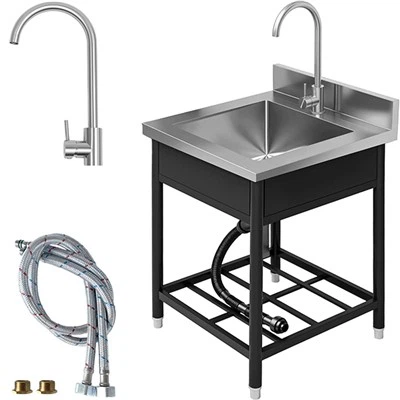
Repairing a damaged stainless steel niche can be a challenging task, but it’s not impossible. By following the steps outlined in this blog, you can repair minor scratches, dents, corrosion, and discoloration on your stainless steel niche. Remember to take proper care of your stainless steel niche to prevent future damage.
Stainless Steel Sink If you’re in the market for a high-quality stainless steel niche, we’re here to help. As a leading supplier of stainless steel niches, we offer a wide range of products to meet your needs. Contact us today to learn more about our products and services and to discuss your specific requirements.
References
- "Stainless Steel: Properties, Processing, and Applications" by George E. Totten and D. Scott MacKenzie
- "The Handbook of Stainless Steels" by Robert W. K. Honeycombe and Julian M. Hampel
- "Stainless Steel Corrosion" by Ronald W. Revie
Dingyi Shichuang Co., Ltd.
As one of the most professional stainless steel niche manufacturers and suppliers in China, we offer a wide range of products with superior quality. Please rest assured to wholesale customized stainless steel niche made in China here from our factory. Contact us for free sample.
Address: Rm908, Building 4, United Fortune Plaza, Jinan Area,China (ShanDong) Pilot Free Trade Zone
E-mail: info@dingyishichuang.com
WebSite: https://www.dysckitchensink.com/
