Hey there! I’m a supplier of embossed aluminum plates. Over the years, I’ve dealt with a ton of these plates, from the super high – quality ones to those that just don’t cut it. So, today, I wanna share with you how to test the quality of embossed aluminum plates. Embossed Aluminum Plate
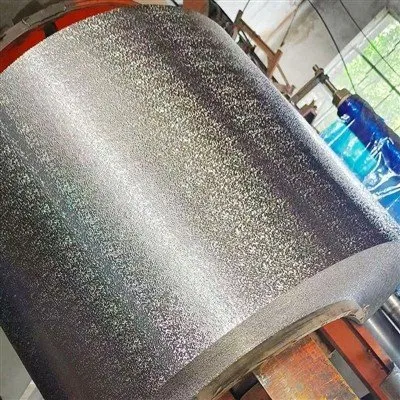
First off, let’s talk about the visual inspection. It’s the simplest and most straightforward way to start. When you get your hands on an embossed aluminum plate, take a good look at its surface. Check for any visible defects like scratches, dents, or cracks. Scratches can not only make the plate look bad but also weaken its structure over time. Dents can affect the flatness of the plate, which might be a big deal if you’re using it for a project where precision matters. Cracks are obviously a huge red flag as they can spread and cause the plate to break apart.
The pattern on the embossed aluminum plate is also a key aspect. A high – quality plate should have a clear and well – defined pattern. If the pattern looks blurry or uneven, that’s a sign that something might be off with the manufacturing process. Also, make sure the pattern is evenly distributed across the entire surface of the plate. You don’t want a plate where one area has a really deep pattern and another has a barely noticeable one.
Next up is the thickness test. Consistent thickness is crucial for the performance of an embossed aluminum plate. You can use a micrometer to measure the thickness at different points on the plate. A good quality plate should have a thickness that’s within a very small tolerance range. If you find significant variations in thickness, say the plate is much thicker in one corner than in another, it could lead to problems. For example, if you’re using the plate in a load – bearing application, the thinner areas might not be able to handle the stress as well as the thicker ones, which could result in failure.
Now, let’s discuss the mechanical properties. One important test is the hardness test. Hardness indicates how resistant the aluminum plate is to indentation, scratching, and wear. There are different methods to test hardness, like the Brinell hardness test or the Rockwell hardness test. For us as suppliers, we usually have the equipment to perform these tests to ensure our plates meet the required hardness standards. A plate with appropriate hardness is more likely to last longer and perform better in various applications.
Another mechanical property to consider is the strength. You can test the tensile strength of the embossed aluminum plate. Tensile strength measures how much pulling force the plate can withstand before it breaks. This is especially important if the plate is going to be used in applications where it will be under tension, like in some structural components. To test the tensile strength, you’ll need a special testing machine. The machine will gradually apply a pulling force to the plate until it breaks, and then it will measure the maximum force the plate could handle.
The flexibility of the embossed aluminum plate is also worth checking. Some applications require the plate to be bent or formed into different shapes. You can perform a simple bend test. Gently bend the plate to a certain angle and see if it cracks or fractures. If it does, it might be too brittle for the application you have in mind. A good quality plate should be flexible enough to be bent within a reasonable range without breaking.
Chemical composition is also a vital factor in determining the quality of an embossed aluminum plate. Aluminum is often alloyed with other elements to improve its properties. You can use a spectrometer to analyze the chemical composition of the plate. This tool can accurately determine the percentage of different elements like copper, magnesium, silicon, and zinc in the aluminum alloy. The right chemical composition is essential for achieving the desired mechanical and physical properties of the plate. For example, adding magnesium can increase the strength of the alloy, while silicon can improve its castability.
Surface finish is another aspect that can’t be overlooked. A good surface finish not only makes the plate look better but also affects its corrosion resistance. You can use a surface roughness tester to measure the smoothness of the plate’s surface. A plate with a smooth surface is less likely to trap dirt and moisture, which can lead to corrosion. Also, check for any signs of oxidation on the surface. Oxidation can make the plate look dull and can also weaken its structure over time.
Now, when it comes to corrosion resistance, it’s a big deal. Aluminum is known for its natural ability to resist corrosion due to the formation of a thin oxide layer on its surface. However, the quality of this oxide layer can vary. You can perform a salt spray test to evaluate the corrosion resistance of the embossed aluminum plate. In a salt spray test, the plate is placed in a chamber where it’s exposed to a fine mist of saltwater for a certain period. After the test, you check the plate for signs of corrosion, like rust or pitting. A high – quality plate should show minimal signs of corrosion after the test.
If you’re using the embossed aluminum plate in an environment where it will be exposed to fire, then checking its fire resistance is a must. You can test the plate’s flammability according to relevant standards. A good quality plate should have a low flammability rating, which means it won’t easily catch fire and will help slow down the spread of flames in case of a fire.
Now, I know all these tests might seem like a lot of work, but they’re really important to make sure you’re getting a high – quality embossed aluminum plate. As a supplier, I always make sure that our plates go through these tests before they’re shipped out. We take pride in providing top – notch products to our customers.

If you’re in the market for embossed aluminum plates, I’d love to have a chat with you. Whether you need a small quantity for a DIY project or a large quantity for a commercial application, we’ve got you covered. We can discuss your specific requirements, the quality standards you’re looking for, and how we can meet your needs. So, don’t hesitate to reach out and start a conversation about procurement. I’m here to help you get the best embossed aluminum plates for your needs.
Flexible Duct Aluminum Foil References
- ASTM International standards on aluminum testing
- Metal Handbook Committee, "Metals Handbook", ASM International.
- Various research papers on aluminum alloys and their properties from scientific journals.
Henan Yongsheng Aluminum Industry Co., Ltd.
We are one of the most reliable embossed aluminum plate manufacturers and suppliers in China. With abundant experience, we warmly welcome you to buy high-grade embossed aluminum plate for sale here from our factory. All custom made products are with high quality and competitive price.
Address: Gongyi City Industrial Cluster District, Huiguo Town, Gongyi City, Henan Province
E-mail: eric@ysaluminum.cn
WebSite: https://www.ysaluminummill.com/
